Aligning Performance Metrics with Budget Allocation in Gambling Promotional Campaigns
Written by Frankie Bauer · Jun 30, 2026
Aligning Performance Metrics with Budget Allocation in Gambling Promotional Campaigns
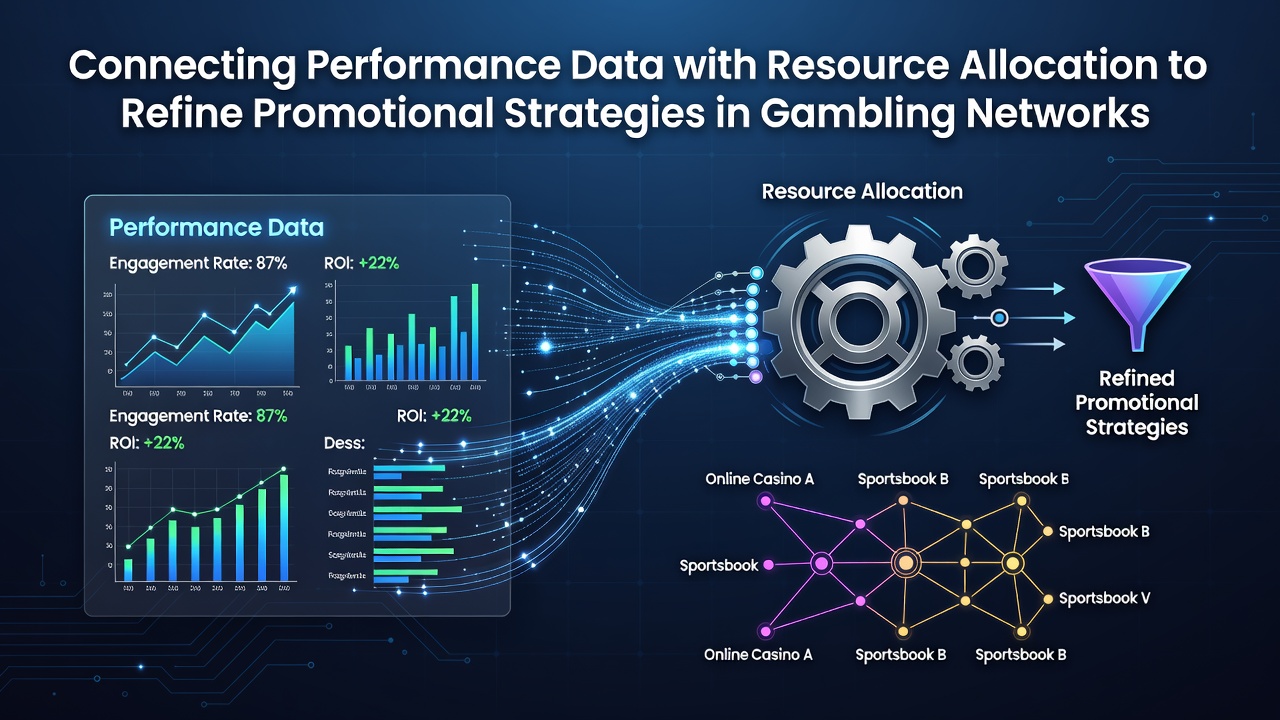
Operators in gambling networks increasingly link detailed performance metrics directly to decisions about where promotional budgets get directed, and this approach has gained traction as networks expand across multiple jurisdictions. Data streams from player activity, campaign response rates, and channel effectiveness feed into allocation models that adjust spend in real time rather than relying on fixed quarterly plans. Observers note that networks adopting these connections see clearer patterns emerge when they track which player segments respond to specific offers and then shift funds accordingly without waiting for end-of-month reviews.
Core Components of Performance Data in Gambling Networks
Performance data encompasses player acquisition costs, retention rates segmented by game type, deposit frequency following targeted promotions, and lifetime value projections derived from behavioral tracking. Researchers at institutions such as the University of Nevada, Las Vegas have documented how these datasets, when aggregated across networks, reveal correlations between promotional timing and peak engagement windows. Networks collect this information through integrated platforms that pull from CRM systems, payment processors, and game servers, creating unified views that highlight underperforming segments quickly.
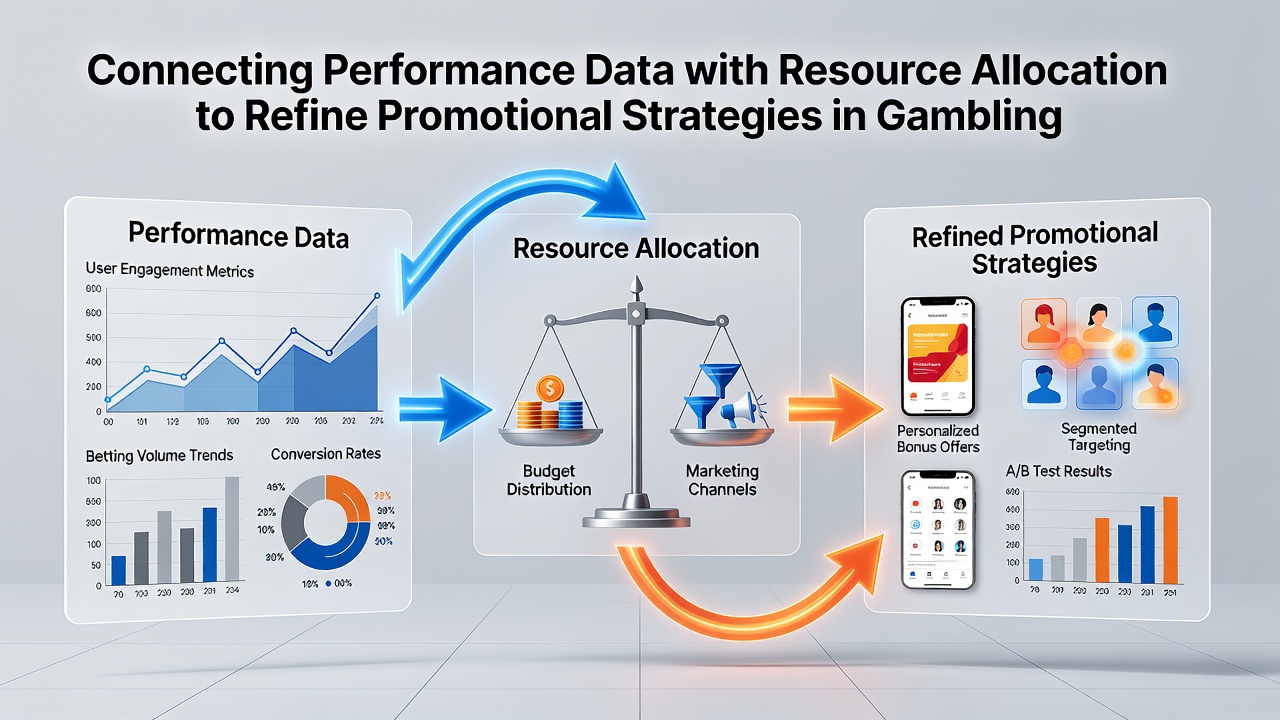
Resource allocation, by contrast, involves dividing marketing budgets across channels including affiliate partnerships, paid search, email sequences, and loyalty incentives. Traditional methods relied on historical averages, yet newer frameworks tie each allocation line item to live performance indicators, allowing automatic rebalancing when metrics shift beyond set thresholds. The reality is that this linkage reduces waste because campaigns showing declining returns lose funding before budgets are exhausted, while high-yield areas receive incremental increases based on proven uplift.
Methods for Connecting Data Streams to Budget Decisions
Networks implement these connections through centralized dashboards that combine data visualization tools with automated rules engines. When conversion rates from a particular affiliate channel drop below a predefined benchmark, the system flags the discrepancy and suggests reallocating a percentage of that spend to higher-performing alternatives such as in-app notifications or regional sponsorships. Studies from the Canadian Gaming Association indicate that operators using such integrated systems report faster response times to market changes compared with those maintaining separate analytics and finance teams.
One study revealed that Australian gambling operators who synchronized their data platforms with allocation protocols achieved measurable improvements in promotional efficiency during the first half of 2026. The process typically begins with establishing baseline metrics for each promotion type, followed by mapping those metrics to cost centers, and then deploying machine learning models that forecast the impact of moving resources from one channel to another. And because the models update continuously, adjustments occur daily instead of monthly, which keeps promotional strategies aligned with current player behavior.
Regional Examples and Industry Applications
In North American markets, several large operators have adopted cross-platform data sharing agreements that feed into shared allocation pools, enabling regional managers to draw from centralized budgets when local performance data justifies the shift. European networks, meanwhile, incorporate regulatory compliance layers into their models so that allocations automatically respect advertising restrictions in specific countries without manual intervention. What's interesting is how these systems handle multi-jurisdictional data, because varying tax structures and player protection rules require the allocation logic to weigh not only revenue potential but also compliance risk scores derived from the same performance datasets.
Take one network that expanded its affiliate program across Scandinavia and simultaneously connected affiliate performance metrics to a dynamic budget pool. When data showed stronger returns from Nordic players responding to time-limited deposit bonuses versus cashback offers, resources moved away from cashback campaigns within weeks rather than quarters. The approach relies on clearly defined key performance indicators that remain consistent across regions even when local regulations differ, which prevents fragmented decision-making.
Challenges in Implementation and Data Quality
Despite the advantages, connecting performance data with resource allocation demands high-quality, standardized inputs. Networks encounter issues when legacy systems produce inconsistent data formats or when third-party partners withhold granular metrics. Industry reports from the European Gaming and Betting Association highlight that successful implementations invest first in data governance frameworks before rolling out automated allocation tools. Without clean data pipelines, the models generate unreliable recommendations that can lead to misallocated budgets and missed opportunities.
Training staff to interpret the outputs of these connected systems also plays a role, because decision-makers must understand both the statistical significance of metric changes and the operational implications of shifting funds mid-campaign. Organizations that pair technical integration with ongoing education programs maintain smoother transitions and sustain the benefits over longer periods.
Conclusion
Linking performance data directly to resource allocation creates a feedback loop that refines promotional strategies across gambling networks. As platforms continue to generate larger volumes of behavioral information, the precision of these connections determines how effectively operators direct budgets toward the channels and player segments that deliver measurable returns. Networks maintaining robust data infrastructure and clear allocation protocols position themselves to respond to shifting patterns without disrupting ongoing campaigns.