Bally's Pursues Evoke Takeover in £225 Million Transaction as UK Gambling Faces 2026 Reforms
Written by Willa Braun · May 24, 2026

Bally's Pursues Evoke Takeover in £225 Million Transaction as UK Gambling Faces 2026 Reforms
Evoke, the company behind William Hill, has entered talks with Bally’s Corporation over a possible £225 million deal for its UK operations, a move that aligns with broader patterns of consolidation across the British gambling market as operators prepare for regulatory and tax adjustments scheduled for 2026.
Details of the Proposed Transaction
Discussions between the two companies center on Bally’s acquiring Evoke’s domestic betting and gaming assets, a transaction that would transfer ownership of one of the UK’s longstanding retail and online gambling brands to a US-based casino operator with expanding international interests; the £225 million figure represents the reported valuation under consideration, though final terms remain subject to negotiation and regulatory approval.
Evoke operates William Hill alongside other brands, and the potential sale would allow the company to streamline its portfolio while Bally’s gains direct access to established UK market positions in both online platforms and physical betting shops; those familiar with the process note that such cross-border deals often involve detailed reviews of licensing requirements and operational integration plans.
Background on the Companies Involved
Bally’s Corporation maintains a portfolio of casino properties primarily in the United States, with recent efforts to grow its digital and international segments through acquisitions and partnerships; the company’s strategy includes leveraging its US operational expertise in markets undergoing structural change, such as the UK ahead of the 2026 updates.
Evoke emerged from the restructuring of former parent company 888 Holdings and holds significant market share through William Hill’s network of retail locations and its online offerings; the firm’s decision to explore a sale reflects responses to shifting economic conditions in British gambling, including anticipated tax modifications that analysts project will influence profitability calculations across the sector.
Regulatory and Tax Context for 2026
Changes scheduled for May 2026 include adjustments to gambling taxation structures and updated compliance frameworks that operators must navigate, prompting many firms to reassess their UK exposure and consider strategic combinations that distribute costs and risks more effectively; data from industry tracking services shows an uptick in merger activity as companies position themselves ahead of these deadlines.
Observers note that consolidation often accelerates when regulatory environments evolve, because larger entities can achieve economies of scale in areas such as technology investment and marketing compliance; Bally’s pursuit of Evoke’s assets fits this pattern, as the US operator seeks to establish a stronger foothold in a market where local players face increasing operational pressures.
Market Consolidation Trends
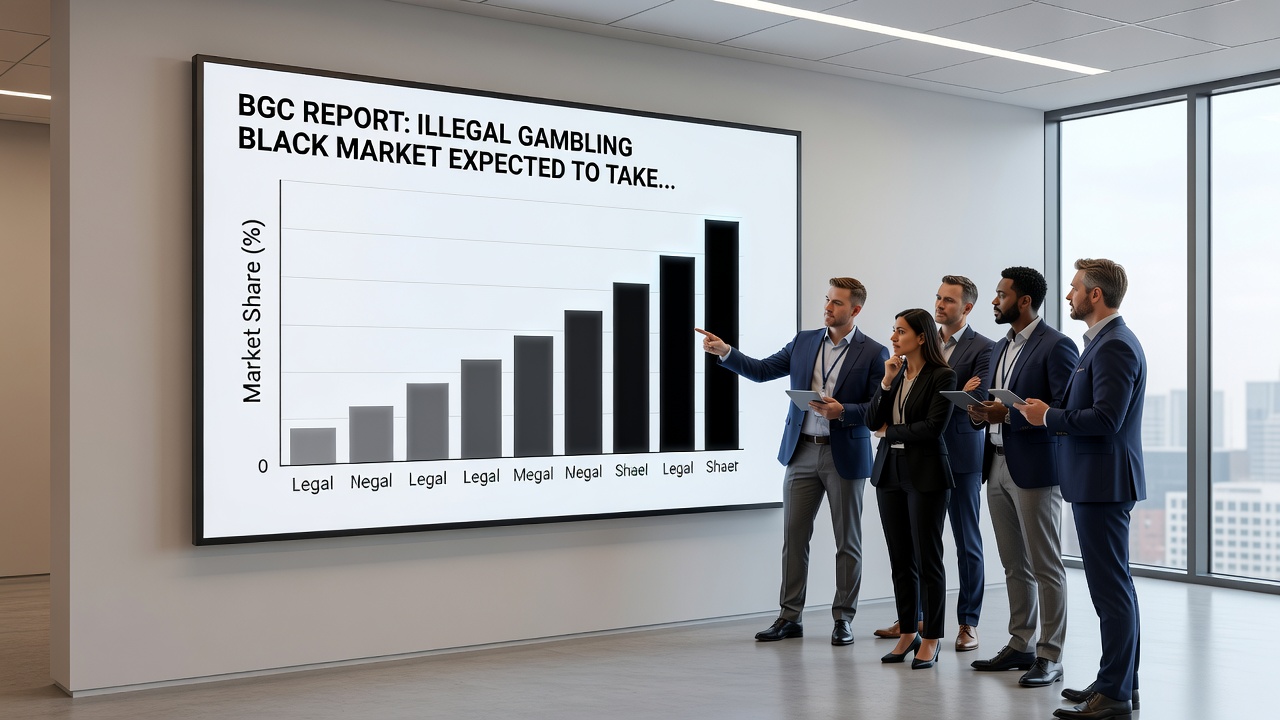
The UK gambling sector has witnessed several ownership shifts in recent years, driven by factors including competition from international entrants and the need for capital to meet evolving standards; Bally’s interest in Evoke continues this trajectory, with the £225 million valuation underscoring the perceived value of established brands and customer bases amid upcoming policy shifts.
Research from financial monitoring groups indicates that cross-border transactions in gambling have risen steadily, as operators seek geographic diversification while domestic firms evaluate exit or partnership opportunities; this particular discussion between Bally’s and Evoke highlights how US companies are increasingly active in European markets undergoing reform cycles.
Implications for Operations and Licensing
Any completed deal would require clearance from relevant authorities overseeing gambling licenses in the UK, along with reviews of foreign investment rules that apply to sensitive sectors; Bally’s would need to demonstrate compliance capabilities and outline plans for maintaining service continuity at William Hill locations and digital platforms.
Evoke’s current structure includes both retail and online segments, each governed by distinct operational requirements, and the potential transfer would involve detailed due diligence on customer data handling, responsible gambling measures, and tax reporting systems; industry reports show that similar transactions typically include phased integration timelines spanning 12 to 18 months post-approval.
Next Steps in the Process
Negotiations remain ongoing as of early May 2026, with both parties conducting internal assessments and engaging advisors to evaluate synergies and valuation adjustments; no binding agreement has been announced, and outcomes could range from a completed acquisition to revised terms or termination of talks.
Market participants continue to monitor developments, because the transaction size and teh involvement of a major US operator signal potential shifts in competitive dynamics within British gambling ahead of the 2026 regulatory milestones; further updates are expected as discussions progress through standard corporate and governmental review channels.
Conclusion
The proposed £225 million takeover of Evoke’s UK operations by Bally’s represents one concrete example of how gambling companies are adapting to anticipated changes in taxation and oversight scheduled for 2026, with the talks illustrating ongoing consolidation patterns that have characterized the sector in recent periods.