BGC Flags £40 Million Black Market Threat During Royal Ascot Festival
Written by David Schmid · Jun 23, 2026

BGC Flags £40 Million Black Market Threat During Royal Ascot Festival
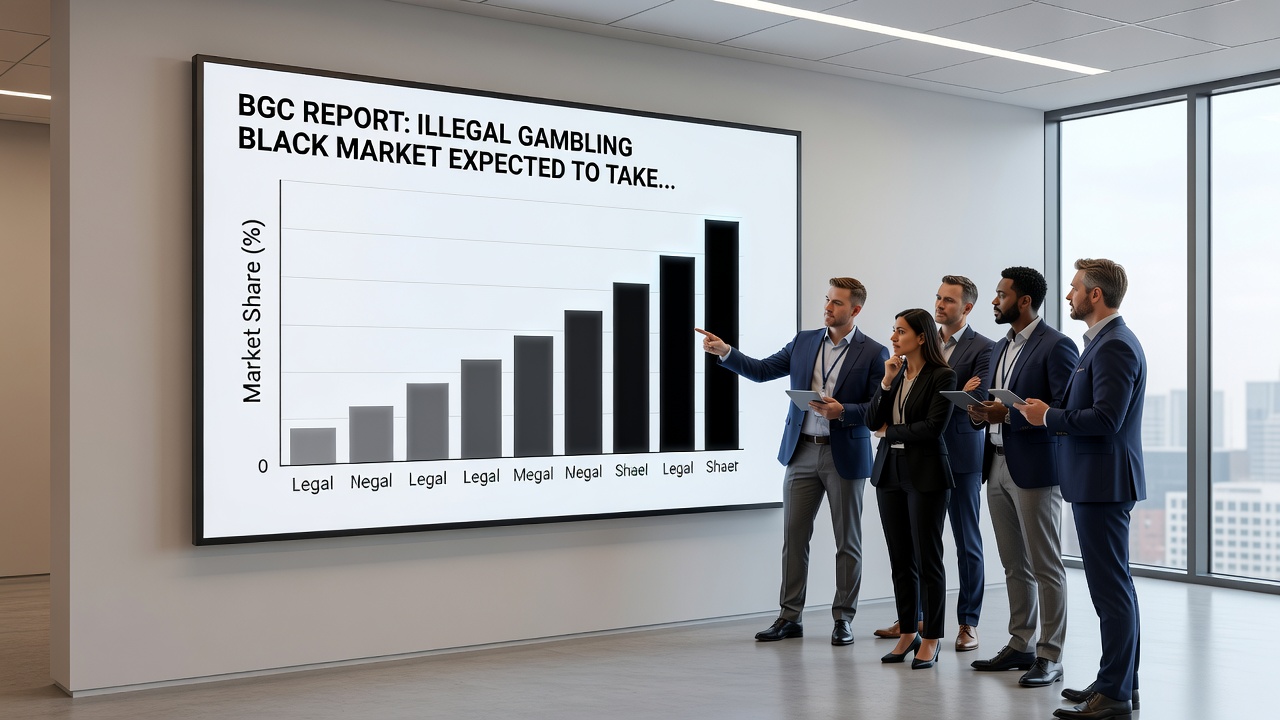
The Betting and Gaming Council has issued a direct warning that unregulated operators stand to capture roughly £40 million in illegal wagers across the five days of Royal Ascot scheduled for June 16-20 2026. The forecast draws attention to the expanding footprint of black market gambling sites that operate outside UK licensing rules and therefore pay no taxes while contributing nothing to British horseracing and providing zero consumer safeguards for participants.
Scale of the Projected Illegal Activity
According to the BGC statement the £40 million figure represents stakes that could move through offshore or unlicensed platforms during the historic meeting. These operators function beyond the reach of the Gambling Commission yet still attract customers who might otherwise use licensed British betting firms. The council points out that such activity drains revenue from the regulated sector and leaves bettors exposed to risks that licensed companies are required to mitigate.
Data compiled by the BGC shows that black market operators already handle substantial volumes in other major events and Royal Ascot is expected to follow the same pattern. The five-day festival draws large crowds and intense betting interest which creates opportunities for illegal bookmakers to promote services through social media and targeted advertising that evades UK oversight.
Concerns Over Tax Policy and Market Shift
The warning comes amid ongoing discussions about possible tax increases on licensed gambling companies. The BGC notes that higher duties and additional regulatory costs on the regulated sector could push more activity toward unregulated platforms. When tax burdens rise licensed operators face pressure to adjust margins or reduce promotions which in turn can make illegal sites appear more attractive to some customers.
Those who have examined the market dynamics observe that every percentage point added to gambling taxes can widen the price gap between legal and illegal operators. The result is a measurable transfer of volume to black market sites that do not collect or remit any tax and offer no funding for the sport itself. The BGC therefore argues that policy decisions should weigh these displacement effects before new levies are introduced.
Impact on Horseracing and Consumer Protection
British horseracing receives direct financial support from the regulated betting industry through the betting levy and voluntary contributions. When stakes move to black market operators that support structure disappears. The BGC highlights that the £40 million projected for Royal Ascot alone would otherwise generate levy payments and other contributions that help sustain prize money training facilities and racecourse operations.
Consumer protections also differ sharply between the two sectors. Licensed operators must implement age verification deposit limits and responsible gambling tools while black market sites operate without these requirements. The council emphasises that customers who place bets with unregulated operators lose access to dispute resolution services and have no guarantee that winnings will be paid.
Call for Balanced Regulatory Approach
The BGC statement stresses the importance of maintaining a strong licensed market that can compete effectively with illegal operators. This includes keeping tax levels and compliance costs at levels that allow British companies to offer competitive odds and attractive promotions. When the regulated sector remains viable customers have less incentive to seek out unregulated alternatives.
Officials at the council point to enforcement challenges as another factor. Although the Gambling Commission can block illegal sites and pursue operators the sheer number of offshore platforms makes complete eradication difficult. The BGC therefore advocates a dual strategy that combines robust enforcement with policies that keep the licensed market attractive to customers.
Broader Context of Black Market Growth
Figures from industry monitoring indicate that illegal gambling activity has expanded in recent years partly because of the ease of accessing offshore websites and apps. Royal Ascot represents a concentrated period of high betting interest which amplifies the potential losses to the regulated market. The BGC projects that without policy adjustments the £40 million estimate for 2026 could grow in future festivals as black market operators refine their marketing and payment methods.
Those who track these trends note that payment processors and social media platforms play a role in how illegal operators reach UK customers. The council continues to work with these intermediaries to restrict promotion of unlicensed services yet acknowledges that new platforms and technologies constantly emerge.
Conclusion
The BGC warning places a concrete number on the stakes involved in the battle between licensed and illegal gambling during one of Britain’s most prominent racing events. With £40 million expected to flow through black market channels at Royal Ascot in June 2026 the council argues that tax and regulatory decisions must account for the risk of further displacement. Maintaining a competitive licensed sector remains central to protecting both tax revenue and the funding that supports British horseracing while ensuring customers retain the protections only regulated operators are required to provide.