Black Market Betting on Premier League Set to Reach £800 Million This Season
Written by David Schmid · Aug 25, 2026

Black Market Betting on Premier League Set to Reach £800 Million This Season
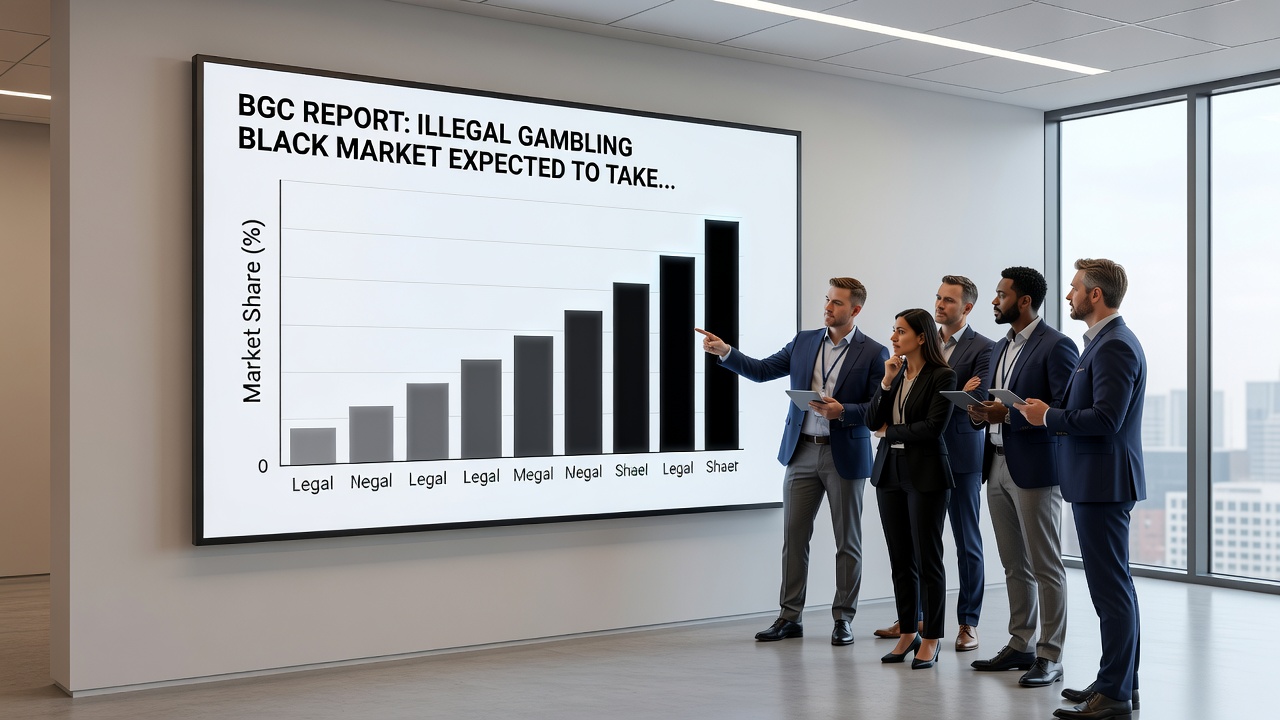
The Betting & Gaming Council has released figures showing the illegal gambling market stands to capture up to £800 million in wagers on Premier League matches during the current season, with £15 million to £20 million placed through unregulated channels over a typical weekend and around £20 million already staked on the opening weekend alone. Those projections point toward a potential climb to £1 billion across the following season once General Betting Duty rises, a development tied directly to shrinking visible promotion by licensed operators and the resulting migration of activity into spaces that offer no consumer safeguards, no tax revenue, or no responsible gambling protocols.Observers tracking these shifts note that reduced advertising visibility from regulated firms has created openings for illegal operators to fill the gap, particularly around high-profile football fixtures where demand remains constant. The council attributes the expected growth trajectory to this dynamic, alongside the upcoming duty adjustment that will increase the cost of legal betting and thereby widen the price advantage held by black-market platforms.
Breakdown of Projected Volumes
Data compiled by the Betting & Gaming Council separates the current season's illegal stakes into weekly and seasonal totals, revealing consistent weekend activity that accumulates rapidly across the nine-month campaign. The opening weekend figure of roughly £20 million already illustrates the scale, while the £15-20 million range for ordinary matchdays indicates steady demand that does not fluctuate dramatically outside peak periods. When these patterns hold across an entire season, the cumulative total reaches the £800 million mark cited in the report, with further expansion anticipated once the duty increase takes effect.
Researchers examining the same dataset highlight that the move to £1 billion in the subsequent season reflects both the duty change and the continued displacement of visible, regulated marketing. Licensed operators face tighter constraints on sponsorships and promotions, conditions that reduce their presence in front of audiences and simultaneously increase the relative exposure of unregulated alternatives. The council's analysis connects these factors without assigning causation beyond the observed correlation between lower legal visibility and higher illegal volumes.
Regulatory Response and Enforcement Priorities
The Betting & Gaming Council advocates two concrete steps to address the expansion: an outright ban on sponsorships by unlicensed entities and stronger enforcement actions targeted at illegal operators. These measures, according to the report, would limit the channels through which black-market platforms reach audiences and would redirect resources toward disrupting the financial and digital infrastructure that sustains them. Council statements frame the proposals as complementary to existing licensing rules rather than replacements for them.
Figures released alongside the projections show that unregulated operators already account for a growing share of overall gambling advertising spend in the United Kingdom, a trend that has accelerated as regulated firms scale back visible campaigns. Enforcement agencies receive updated data on these patterns, allowing them to prioritise investigations where illegal staking volumes appear highest. The council notes that successful disruption of even a portion of these networks could materially reduce the £800 million to £1 billion range currently forecast.
Impact on Consumer Protections and Tax Revenue
Because illegal platforms operate outside the regulatory framework, participants lack access to deposit limits, self-exclusion tools, and dispute-resolution mechanisms that licensed operators must provide. The absence of these safeguards means that any increase in black-market activity also increases the number of individuals exposed to environments without built-in harm-reduction features. At the same time, the treasury forgoes the tax contributions that would otherwise accompany the same volume of betting conducted through regulated channels.
Analysts tracking fiscal implications calculate that the projected rise from £800 million to £1 billion next season would represent a corresponding loss in both tax receipts and consumer-protection coverage. The duty increase itself, while intended to generate additional revenue from legal betting, simultaneously widens the margin that illegal operators can offer, thereby amplifying the displacement effect the council has documented. Coordination between the treasury, the Gambling Commission, and law-enforcement bodies is therefore presented in the report as essential to mitigating both the revenue shortfall and the protection gap.
Seasonal Context and Forward Outlook
As the Premier League campaign progresses, the weekly data points supplied by the Betting & Gaming Council provide a running indicator of how closely actual illegal volumes track the initial forecasts. Early-season spikes, such as the £20 million recorded on the opening weekend, serve as benchmarks against which subsequent weekends are measured. Should the pattern continue without significant enforcement intervention, the seasonal total is expected to land near the upper end of the £800 million estimate before the duty adjustment takes further effect.
Preparations for the 2026/27 season, including the scheduled duty change, have already prompted renewed discussions among regulators and industry groups about the balance between taxation policy and market containment. The council's position remains that enforcement against unlicensed sponsorships and direct action against illegal operators offer the most immediate levers for limiting further growth. Updated figures will be released periodically, allowing observers to assess whether the combined measures succeed in keeping volumes below the £1 billion threshold projected for the year after the duty increase.
Conclusion
The Betting & Gaming Council report supplies a clear numerical picture of illegal Premier League betting volumes, the factors driving their projected increase, and the regulatory steps proposed to counteract them. By linking weekly staking data to seasonal totals and connecting those totals to the forthcoming duty adjustment, the analysis offers a factual basis for evaluating both current conditions and the outlook through the next campaign. Continued monitoring and coordinated enforcement will determine whether the £800 million to £1 billion trajectory materialises or whether the advocated measures alter the path.