Charting Success Routes Through Oversight in Gambling Partnership Networks
Written by Drew Sullivan · Jul 19, 2026
Charting Success Routes Through Oversight in Gambling Partnership Networks
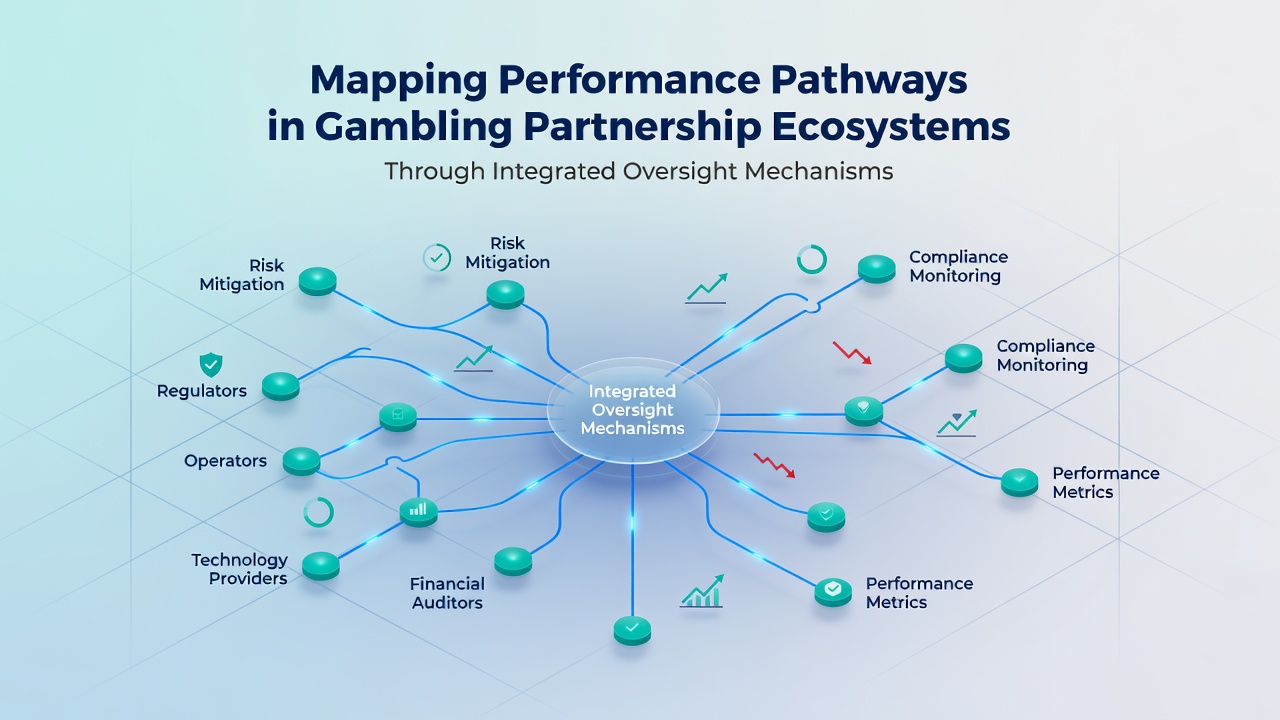
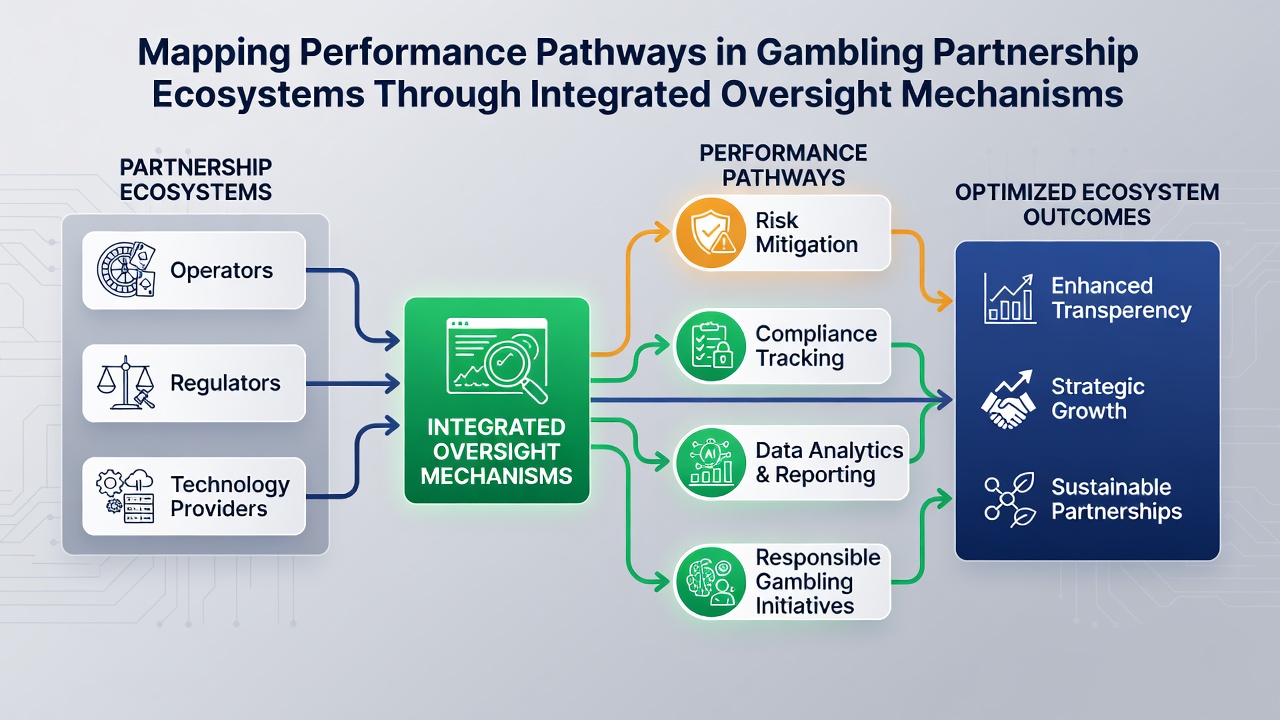
Gambling partnership ecosystems connect operators, affiliates, suppliers, and regulators in networks that require precise tracking of revenue flows, compliance markers, and traffic sources. Mapping performance pathways involves charting how each participant contributes to overall results while integrated oversight mechanisms supply the data layers that keep those pathways visible and accountable. Researchers have noted that platforms combining real-time analytics with regulatory checkpoints allow stakeholders to follow earnings from initial player acquisition through to final settlement without gaps in visibility.
Systems built around centralized dashboards pull information from multiple sources including affiliate tracking software, payment processors, and licensing databases. These tools create a single view where performance metrics such as conversion rates, player lifetime value, and compliance scores appear side by side. Data from studies conducted by the Australian Gambling Research Centre indicate that operators using such unified platforms reduced reporting discrepancies by measurable margins between 2024 and 2026. Partnerships that once relied on separate spreadsheets now route everything through APIs that flag unusual patterns automatically.
Core Components of Pathway Mapping
Performance pathways break down into acquisition, retention, and monetization stages, each carrying distinct indicators that oversight systems monitor continuously. Acquisition tracks how traffic arrives and converts, retention follows repeat engagement adn bonus usage, while monetization captures gross gaming yield and commission payouts. Observers note that when these stages link through shared identifiers, discrepancies surface faster and audits become more straightforward. Integrated oversight adds rule engines that compare activity against licensing conditions in jurisdictions ranging from Nevada to Ontario.
July 2026 saw several North American operators release updated partnership portals that incorporated machine learning models trained on historical traffic data. Those models predicted which affiliate channels would maintain steady performance under new tax reporting rules. The result was a clearer map of which pathways required additional documentation and which ones could scale without extra compliance layers.
Oversight Mechanisms in Practice
Regulatory bodies outside the UK supply useful reference points for how oversight operates across borders. The Nevada Gaming Control Board requires detailed logs of all affiliate-driven player activity, and those logs feed directly into operator monitoring suites. Similar requirements appear in Canadian provincial frameworks where iGaming Ontario publishes technical standards that mandate data export formats compatible wth third-party oversight tools. Partnerships that align their internal systems with these formats avoid delays during license renewals.
Industry associations such as the European Gaming and Betting Association have documented case studies where integrated oversight reduced settlement disputes between operators and marketing partners. One documented example involved a multi-country affiliate network that linked its tracking system to both operator APIs and regulatory reporting portals, cutting reconciliation time from weeks to days. The same approach allowed early detection of traffic sources that violated advertising codes in specific regions.
Data Integration Across Regions
Geographic spread adds complexity because each jurisdiction maintains distinct reporting calendars and data formats. A partnership active in both Australia and parts of the United States must reconcile monthly submissions to the Australian Communications and Media Authority alongside quarterly filings required by state gaming boards. Integrated oversight platforms handle these differences by applying transformation rules that standardize metrics before they reach compliance teams. Figures from academic papers published through the University of Nevada, Las Vegas International Gaming Institute show that standardized data pipelines lowered error rates in cross-border reports during the 2025 fiscal year.
Those who manage large affiliate portfolios often discover that pathway visibility improves when oversight tools include permission-based access controls. Different partners see only the metrics relevant to their agreements, while regulators receive aggregated views that protect commercially sensitive details. This layered access supports both commercial transparency and regulatory accountability without forcing full data exposure.
Future Developments in Oversight Integration
Technology providers continue to expand the range of signals that feed into performance maps. Biometric verification logs, session duration heatmaps, and responsible gambling flag data now appear alongside traditional revenue figures in advanced systems. Partnerships adopting these expanded datasets gain earlier warnings when player behavior shifts in ways that could affect long-term channel profitability. Research from Canadian academic groups has tracked how such multi-signal oversight correlates with steadier commission streams for affiliates who adjust campaigns quickly.
Operators that maintain these connected oversight layers report smoother interactions during external audits because source data remains traceable from the initial click through to the final payout. The same connectivity supports forecasting exercises that project how changes in one jurisdiction might ripple through an entire partnership network.
Conclusion
Mapping performance pathways within gambling partnership ecosystems depends on oversight mechanisms that gather, standardize, and present data across acquisition, retention, and monetization stages. Jurisdictions in North America, Australia, and Europe supply technical standards that encourage compatible system design, while industry groups document practical benefits such as faster reconciliation and earlier risk detection. Continued development of integrated platforms will likely extend visibility into new data types, supporting both commercial objectives and regulatory compliance across expanding partnership networks.