Effective Use of Integrated Dashboards in Affiliate Marketing for Performance Sustainability
Written by Drew Sullivan · Aug 18, 2026
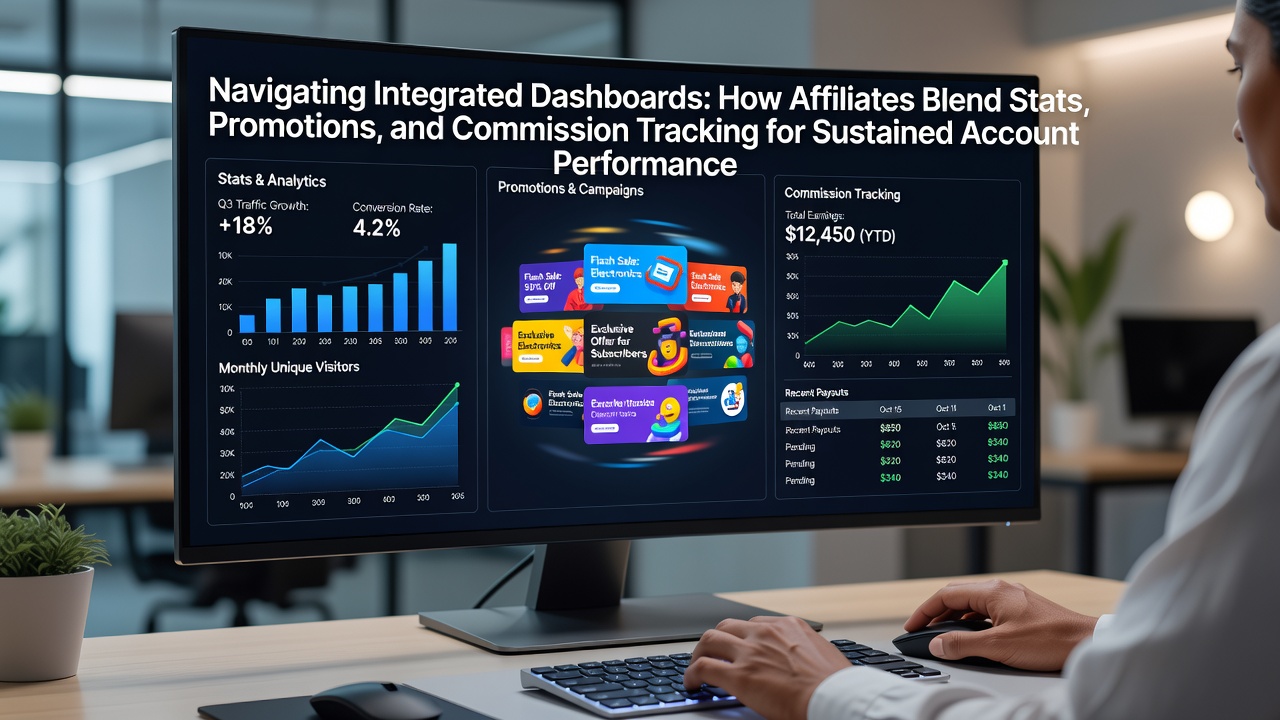
Effective Use of Integrated Dashboards in Affiliate Marketing for Performance Sustainability
Affiliates in the online gambling sector rely on integrated dashboards to combine performance statistics, promotional campaign management, and commission tracking into unified workflows that support ongoing account growth, and these systems have gained traction as data volumes increase through 2026. Observers note that platforms pulling multiple data streams together reduce the need for separate tools, which allows users to monitor real-time metrics alongside scheduled promotions without switching between interfaces.
Core Components of Dashboard Integration
Performance statistics typically include click-through rates, conversion percentages, and player retention figures drawn from affiliate networks, while promotional elements cover banner rotations, email sequences, and bonus code deployments managed within the same view. Commission tracking layers on top with tiered payout calculations, holdover balances, and historical earnings reports that update automatically when new player activity registers. Researchers at institutions such as the University of Nevada, Las Vegas have documented how centralized access to these elements correlates with steadier revenue streams across multi-program portfolios.
Data from industry analyses shows that affiliates who consolidate these functions experience fewer discrepancies between reported clicks and credited commissions, since automated reconciliation flags variances as they occur rather than during monthly reviews. In August 2026, several platforms introduced enhanced API connections that pull live feeds from multiple operators into one dashboard, which shortens the lag between campaign launches and visibility into initial performance indicators.
Managing Statistics Alongside Promotional Activity
Statistics modules within these dashboards often feature customizable filters that isolate traffic sources by device type or geographic region, and affiliates combine this with promotion calendars to align high-traffic periods with targeted offers. For instance, one documented case involved an affiliate who adjusted banner placements after noticing a spike in mobile conversions during evening hours, then scheduled corresponding bonus promotions to capitalize on the pattern without manual data exports.
Integration allows cross-referencing of player acquisition costs against promotional spend in the same interface, which reveals which campaigns deliver sustainable returns rather than short-term spikes. External reports from bodies like the European Gaming and Betting Association highlight similar patterns where coordinated tracking supports compliance with varying regional advertising standards across multiple markets.
Commission Tracking and Long-Term Account Oversight
Commission sections display tier thresholds, negative carryover balances, and projected payouts based on current traffic, and these figures update dynamically when new registrations or deposits process through linked operator systems. Affiliates use this visibility to identify underperforming programs early and shift resources toward higher-yielding ones while maintaining overall portfolio balance. Studies from the Canadian Gaming Association indicate that consistent monitoring through such tools correlates with reduced account inactivity rates over multi-year periods.
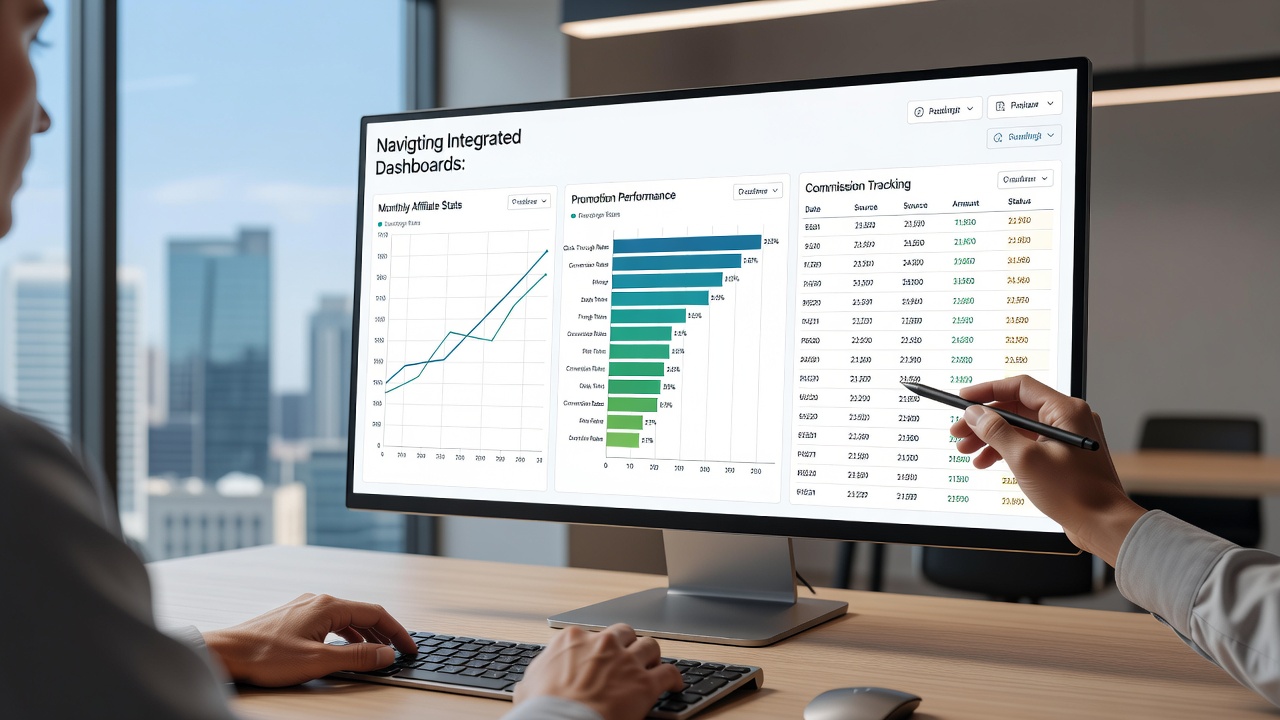
Alerts within the dashboard notify users when commissions approach payout thresholds or when promotional performance deviates from historical averages, which supports proactive adjustments instead of reactive fixes after statements finalize. Those who maintain sustained account performance often schedule regular reviews that cross-check commission data against statistical trends to confirm that promotional efforts translate into credited earnings rather than untracked activity.
Practical Blending of All Three Elements
Effective navigation involves setting baseline thresholds for each component so the dashboard surfaces only relevant alerts, such as when a promotion underperforms relative to its statistical projections or when commission rates shift due to player quality changes. Affiliates frequently build custom reports that combine weekly traffic summaries with promotion outcomes and cumulative earnings to evaluate whether current strategies align with long-term targets. This approach avoids isolated decision-making that might boost one metric at the expense of others.
Training resources from affiliate networks emphasize starting with core metrics before layering in advanced filters, and examples from established users show that gradual integration prevents overload while building familiarity with combined data views. In practice, this means reviewing statistics first, then overlaying active promotions, and finally confirming that commission flows reflect the expected outcomes from both.
Conclusion
Integrated dashboards provide affiliates with a consolidated framework for handling statistics, promotions, and commissions that supports consistent account performance across changing market conditions. Continued platform updates through 2026 have expanded connectivity options, which further streamlines these processes for users managing multiple programs simultaneously. Those who apply structured review habits within these systems maintain clearer oversight of their operations without reliance on fragmented tools.