Enhancing Commission Outcomes via Integrated Dashboard and Order System Synchronization
Written by Frankie Bauer · Jun 16, 2026
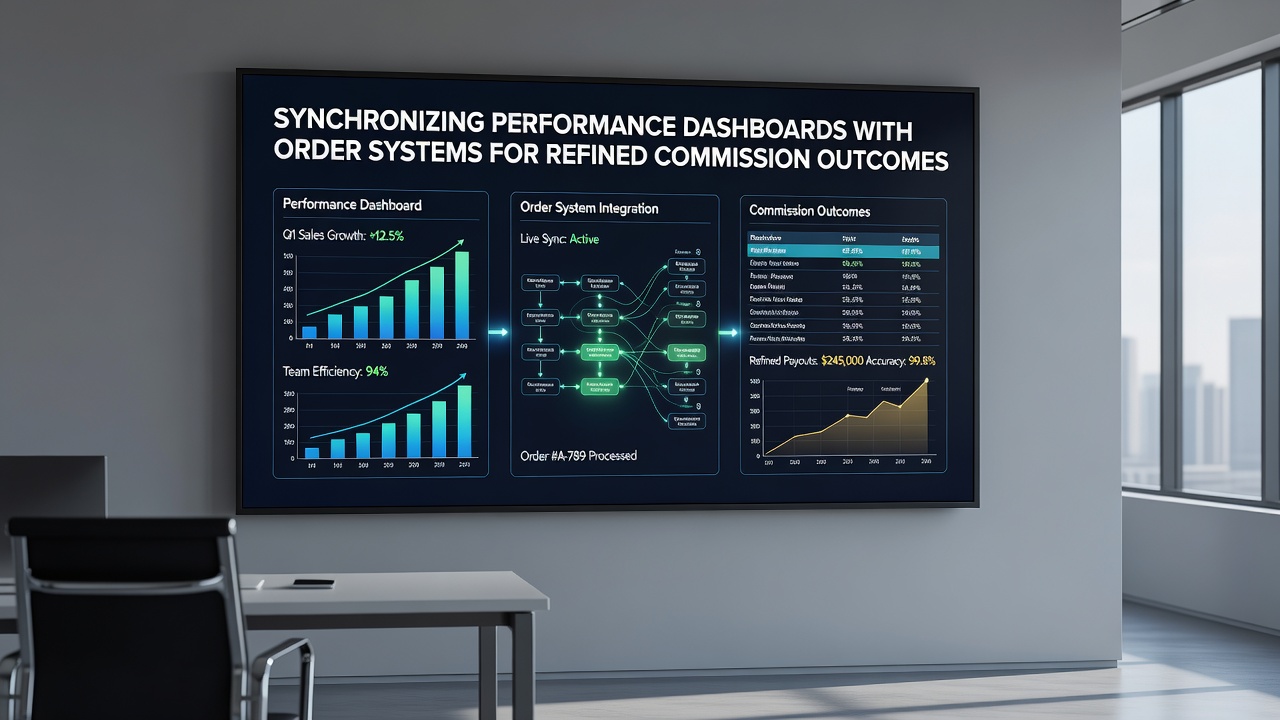
Enhancing Commission Outcomes via Integrated Dashboard and Order System Synchronization
Performance dashboards track affiliate earnings and related metrics while order systems handle transaction processing and fulfillment details, yet their separation often leads to discrepancies in commission calculations. Synchronization between these platforms connects live performance indicators directly with verified order records so that payouts reflect accurate data without manual reconciliation steps.
Core Components of Dashboard and Order Integration
Modern affiliate platforms rely on dashboards to display key performance indicators such as click-through rates, conversion volumes, and revenue shares, whereas order systems record each transaction timestamp, product details, and payment status. When these two operate independently, data lags create mismatches that affect final commission totals. Integration tools establish automated data flows that update dashboards as soon as an order reaches completion status, eliminating delays that previously stretched into multiple reporting cycles.
Observers note that organizations adopting application programming interfaces achieve near real-time alignment between the two systems. These interfaces pull order confirmation numbers straight into performance views, allowing teams to monitor how individual transactions influence broader earnings trends without exporting spreadsheets or running separate queries.
Operational Advantages in Commission Processing
Accurate commission outcomes depend on matching every eligible order to its corresponding performance metric. Integrated setups flag incomplete or disputed transactions automatically so that only verified sales contribute to payout figures. This approach reduces overpayments that arise when dashboards count preliminary clicks that never convert into completed orders.
Data shows that companies using synchronized systems report fewer adjustment requests during monthly settlement periods. Automated matching also supports tiered commission structures where rates change based on cumulative order volumes, because the dashboard receives updated totals without requiring separate calculations from accounting teams.
Implementation Patterns Observed Across Markets
One study from the University of Nevada Las Vegas examined integration projects at several gaming operators and found that standardized data fields for order status and performance attribution shortened reconciliation times by an average of 40 percent. The research highlighted cases where custom middleware connected legacy order platforms to newer dashboard environments without full system replacement.
In June 2026, reports from the Canadian Gaming Association documented rising adoption rates among operators serving multiple jurisdictions, with many citing regulatory requirements for transparent payout records as a driving factor. Those implementations typically include audit logs that trace each commission line item back to its source order, satisfying compliance checks from bodies such as the Alcohol and Gaming Commission of Ontario.
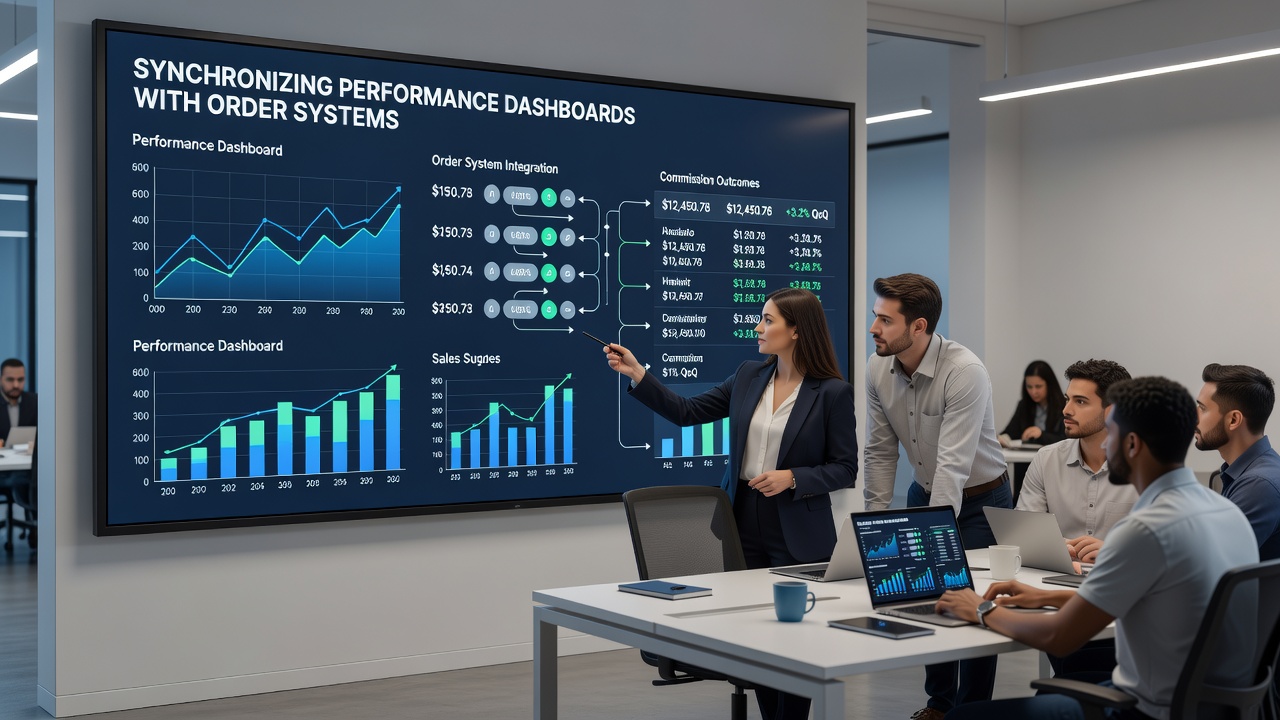
European operators have followed similar patterns, drawing on guidelines from the European Gaming and Betting Association that emphasize consistent data handling across borders. Integration projects there often incorporate encryption protocols to protect sensitive order details while still allowing dashboards to display aggregated performance summaries.
Technical Considerations for Reliable Synchronization
Successful projects begin with mapping shared data fields such as order identifiers, timestamps, and affiliate tracking codes. Middleware solutions handle format translations between systems that use different database structures, ensuring that a completed order in one platform appears correctly within the corresponding dashboard metric. Error-handling routines catch transmission failures and trigger alerts so that staff can address issues before they affect commission runs.
Security protocols require role-based access controls that limit dashboard users to view-only permissions on raw order data, while order system administrators retain authority over transaction adjustments. Regular validation checks compare dashboard totals against order system records to confirm ongoing alignment after initial setup.
Conclusion
Synchronized performance dashboards and order systems deliver measurable improvements in commission accuracy by replacing manual processes with automated data exchange. Organizations across multiple regions continue to adopt these integrations to meet both operational efficiency goals and regulatory expectations for precise financial reporting. The result is a more reliable foundation for affiliate compensation structures that scale with transaction volume.