Integrated Resource Frameworks Transforming Payout Efficiency Across Partner Networks
Written by Frankie Patterson · Jun 2, 2026

Integrated Resource Frameworks Transforming Payout Efficiency Across Partner Networks
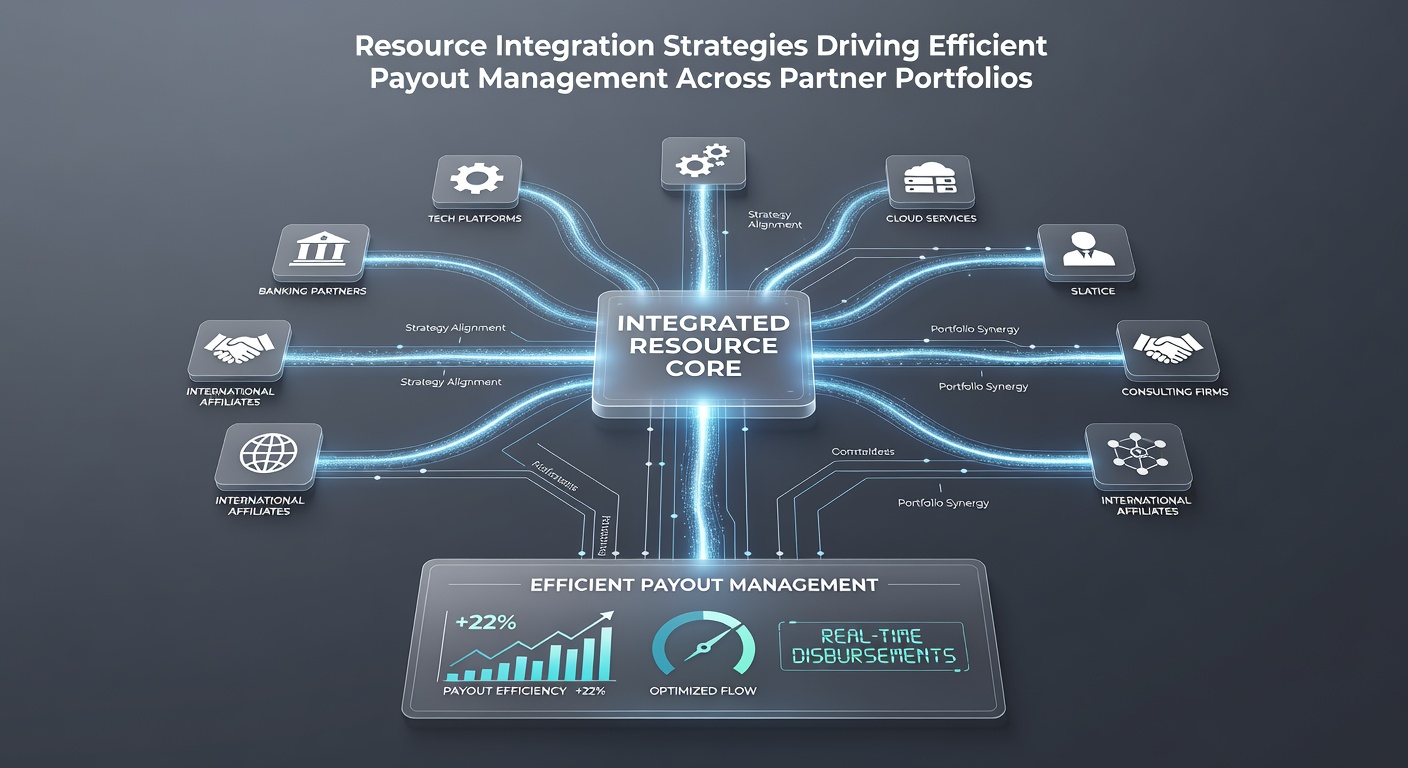
Resource integration involves connecting data platforms, financial tools, and operational systems so organizations can handle payouts to partners with greater speed and accuracy. Companies achieve this by linking customer relationship management software with accounting systems and payment gateways, which reduces manual data entry and minimizes errors that often occur during reconciliation processes. Observers note that such connections create a unified view of partner activity, allowing teams to track performance metrics and release funds based on real-time calculations rather than periodic batch reviews.
Core Components of Effective Integration
Successful implementations start with standardized data formats that let different software applications exchange information without custom coding for every new partner. Application programming interfaces serve as the bridges here, pulling transaction details from affiliate dashboards straight into central ledgers while updating partner balances automatically. Those who've studied these setups find that adding automated validation rules catches discrepancies early, such as mismatched commission structures or incomplete tax documentation, before payments are scheduled.
Security protocols form another essential layer, with encryption standards and access controls ensuring sensitive financial data stays protected during transfers between systems. Research from the Reserve Bank of Australia highlights how multi-layered authentication combined with audit trails helps organizations meet regulatory requirements across jurisdictions, and this becomes especially relevant when portfolios include partners operating in multiple countries.
Practical Strategies in Action
One approach centers on centralized dashboards that aggregate partner performance data from various sources into a single interface. Teams then use predictive analytics to forecast payout volumes and adjust liquidity reserves accordingly, which prevents delays during high-volume periods. Another tactic focuses on modular system design, where organizations add new partner types or payment methods without rebuilding the entire infrastructure from scratch.
Workflow automation plays a key role as well, routing approval requests through predefined channels based on payout size or partner tier. This setup speeds up routine transactions while flagging larger amounts for additional review, and it maintains consistency even as partner numbers grow. Data shows organizations adopting these methods report shorter settlement cycles, with some moving from monthly to weekly payout schedules without increasing operational headcount.
Impact on Portfolio Management
Across diverse partner portfolios, integrated resources deliver clearer visibility into commission structures, bonus calculations, and performance incentives. Managers gain the ability to segment partners by revenue contribution or engagement level, then tailor payout terms accordingly while keeping all records synchronized. This segmentation proves useful when handling mixed portfolios that include both high-volume operators and emerging partners still building their networks.
Compliance tracking improves simultaneously because integrated systems log every data point related to regulatory filings and reporting deadlines. In June 2026, forthcoming updates to cross-border payment guidelines from the European Commission are set to emphasize real-time reporting capabilities, and organizations with already-connected systems will find adaptation more straightforward than those relying on disconnected tools.
Measuring Results and Scaling
Key performance indicators for these strategies include payout processing time, error rates in fund distribution, and partner satisfaction scores tied to payment reliability. Studies from the University of Toronto's Rotman School of Management indicate that firms tracking these metrics closely often identify bottlenecks in data handoffs between departments, which allows targeted refinements rather than broad overhauls. Scaling happens through phased rollouts, beginning with core partners before expanding to the full network.
Training programs support adoption by familiarizing staff with the new interfaces and exception-handling procedures. External vendors sometimes provide implementation support, though many organizations build internal expertise to maintain systems long-term.
Conclusion
Resource integration continues to reshape how organizations manage payouts within partner portfolios by connecting previously separate tools into cohesive workflows. The combination of standardized data exchange, automated processes, and enhanced security measures supports both current operational needs and upcoming regulatory shifts expected in mid-2026. Organizations that prioritize these connections position themselves to handle growing portfolio complexity while maintaining accurate and timely payments across all partners.