Integration Strategies for Analytics Platforms and Support Channels in Casino Marketing Networks
Written by Drew Sullivan · Jun 28, 2026
Integration Strategies for Analytics Platforms and Support Channels in Casino Marketing Networks
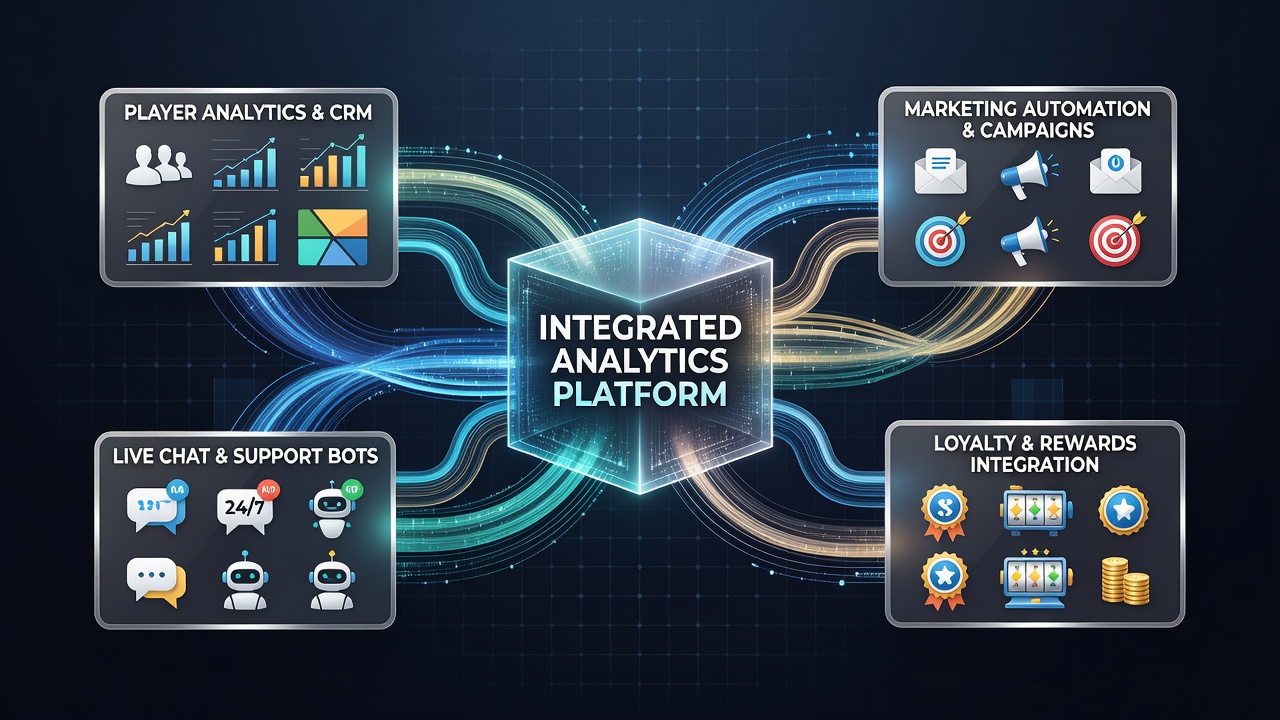
Analysts track player behavior patterns across multiple touchpoints when analytics platforms merge with support channels in casino marketing networks and operators gain visibility into how live interactions influence campaign performance. Data from chat logs and email responses feed directly into segmentation models so marketing teams adjust offers based on actual support outcomes rather than assumptions alone. This connection allows networks to identify which promotional messages trigger the most queries and which ones convert without additional assistance.
Core Components of the Integration Process
Support channels collect unstructured data such as conversation transcripts and ticket resolutions while analytics platforms apply machine learning to convert those records into structured performance indicators. Teams then map those indicators to marketing funnel stages so each support interaction receives a value score that reflects its contribution to player acquisition or retention goals. Research from the American Gaming Association shows that operators who link these systems report clearer attribution between support touchpoints and revenue shifts.
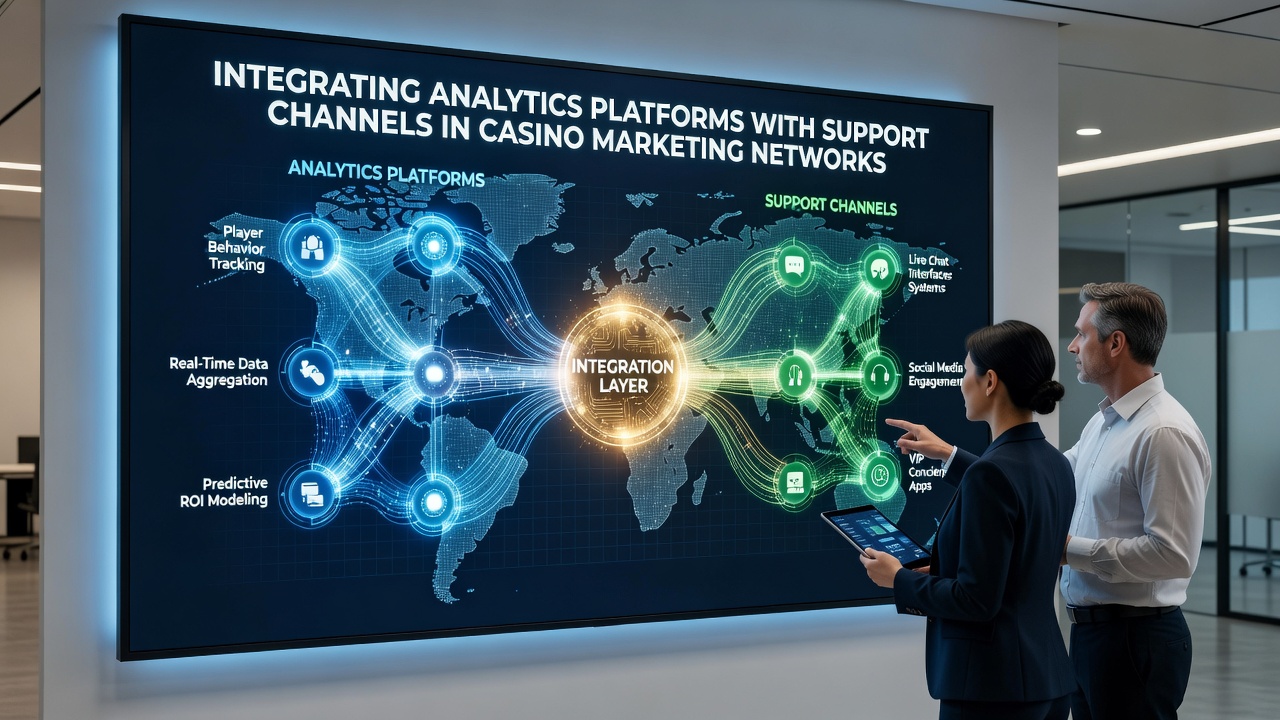
APIs serve as the bridge that moves information between customer relationship management tools and analytics dashboards in real time. When a support agent closes a ticket the system automatically tags the record with campaign identifiers and pushes the update into reporting views. This automation reduces manual entry errors and keeps data consistent across departments that handle promotions and player communications.
Practical Applications Observed in Network Operations
Marketing teams use integrated dashboards to monitor how support volume changes after a new bonus launch so they can refine messaging before spend escalates. One network in North America adjusted its welcome offer sequence after analytics flagged a spike in account verification queries that correlated with a drop in first-deposit rates. The revised flow included clearer instructions delivered through both automated emails and proactive chat prompts which lowered repeat contacts.
Support agents gain access to player history summaries that include recent campaign exposure and previous interaction outcomes. This context helps them deliver responses that align with the marketing narrative rather than contradicting it. Observers note that response accuracy improves when agents see the same data view that marketers used to create the offer in the first place.
Compliance and Reporting Considerations
Regulatory frameworks in multiple jurisdictions require detailed records of player communications and marketing claims. Integrated systems generate audit trails that combine support notes with the original promotional content so compliance officers review both elements together. As of June 2026 several Canadian provincial regulators have begun requesting sample datasets that demonstrate how operators verify marketing messages against actual support interactions.
Analytics platforms apply rules-based filters to flag conversations that mention specific bonus terms or responsible gambling prompts. These flags feed into monthly compliance reports and reduce the time required to prepare documentation for external reviews. The process also highlights training gaps when certain topics generate higher volumes of clarification requests.
Measurement Approaches and Data Flow
Key performance indicators include average resolution time segmented by campaign source and conversion rate after support-assisted sign-ups. Teams calculate return on marketing spend by attributing a portion of lifetime player value to the support channels that handled onboarding questions. Data from the University of Nevada Reno gaming research group indicates that networks with unified analytics achieve more consistent attribution models across different jurisdictions.
Real-time alerts notify marketing staff when support metrics deviate from established baselines during active campaigns. These alerts trigger review meetings where teams examine conversation themes and decide whether to pause or modify current promotions. The loop between detection and adjustment shortens because both teams operate from the same dataset rather than separate reports.
Conclusion
Networks that connect analytics platforms with support channels create a closed feedback system where marketing decisions incorporate direct evidence from player interactions. This structure supports consistent messaging across channels while supplying the documentation required by oversight bodies. Continued development of API connections and automated tagging will likely expand the range of metrics available for joint analysis in coming reporting periods.