Intersecting Pathways: How Performance Metrics Guide Resource Hubs in Gambling Partnerships
Written by Willa Braun · Jun 19, 2026
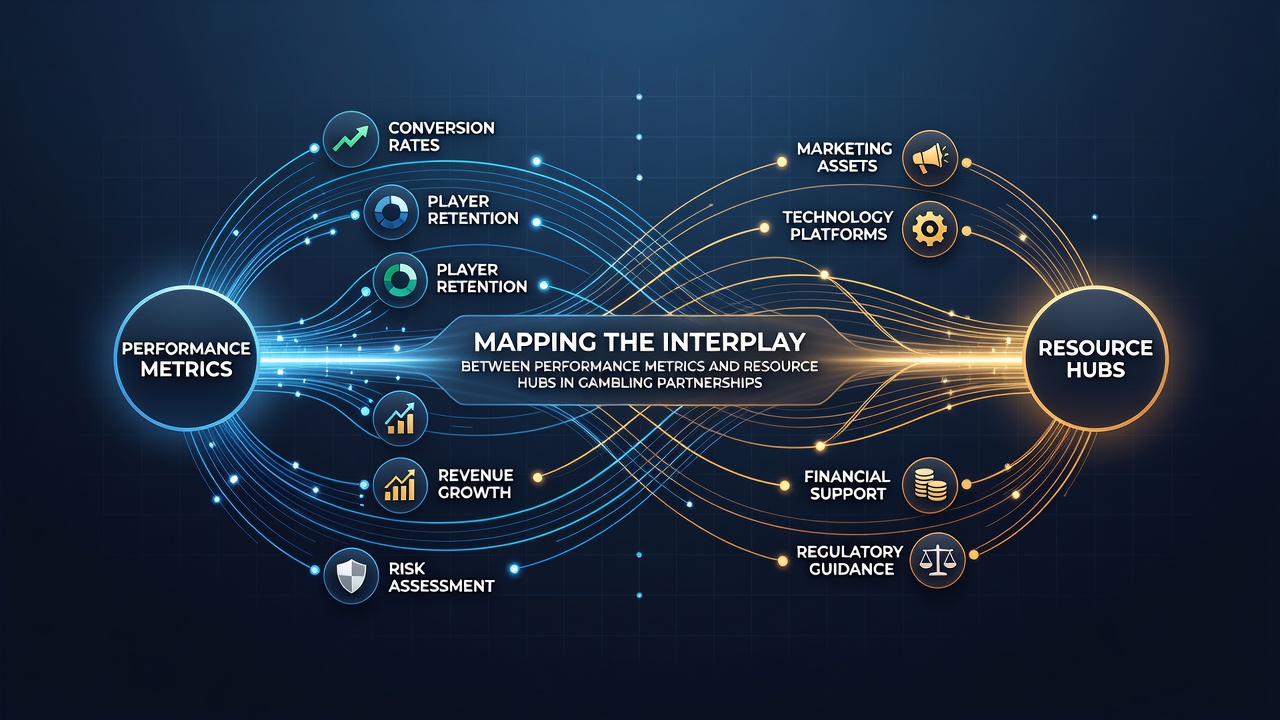
Intersecting Pathways: How Performance Metrics Guide Resource Hubs in Gambling Partnerships
Performance metrics in gambling partnerships encompass measurable indicators such as conversion rates, player lifetime value, and revenue share percentages that operators and affiliates monitor through structured tracking systems, while resource hubs function as centralized platforms delivering reports, analytics dashboards, and support materials that partners access to refine their strategies. These elements connect through iterative data exchange where metrics collected from partner activities directly influence the allocation and customization of tools within resource hubs, creating feedback loops that sustain long-term collaborations across multiple jurisdictions.
Researchers at institutions like the University of Nevada, Las Vegas have documented how affiliate programs integrate these components, noting that raw performance data often determines which specific reports or optimization guides appear in a partner's private dashboard. This mapping process begins with data ingestion from tracking software that records clicks, registrations, and deposits, then proceeds to analysis layers that categorize performance into tiers, allowing hubs to prioritize high-yield resources for top performers while offering foundational materials to those still building momentum.
Core Components of Performance Tracking Systems
Key metrics tracked in these partnerships include first-time deposit conversion, average revenue per user, and retention rates measured at 30, 60, and 90-day intervals, with each figure feeding into algorithms that adjust resource availability. Data from the American Gaming Association shows that programs using integrated metric-to-resource mapping report higher partner retention compared to those relying on static toolkits, because dynamic updates based on performance keep materials relevant and actionable. Observers note that segmentation plays a central role here, as partners demonstrating strong traffic quality receive access to advanced forecasting modules, whereas others encounter simplified interfaces until their metrics improve.
Resource hubs typically incorporate secure portals with role-based access, real-time reporting interfaces, and libraries of compliance documentation that update automatically when regulatory changes occur in regions such as Nevada or Ontario. The interplay becomes evident when performance dips trigger automated recommendations within the hub, such as suggesting revised banner creatives or targeted landing page templates drawn from previous high-performing campaigns. This responsive design prevents partners from sifting through irrelevant materials and instead surfaces items calibrated to their current data profile.
Data Flow and Decision Mapping in Practice
Mapping the connections requires tracing how individual data points translate into hub modifications, a process that starts with API integrations pulling information from operator backends into affiliate interfaces. In June 2026, several platforms expanded these integrations to include predictive modeling features that forecast resource needs based on seasonal traffic patterns observed across North American and European markets. Partners who monitor their metrics closely often discover that consistent improvement in one area, such as reduced bounce rates, unlocks new sections in their resource center containing advanced player segmentation tools.
Those who've examined case studies from the European Gaming and Betting Association find that successful mapping relies on clear thresholds, where crossing a specific revenue milestone automatically grants elevated support levels including dedicated account management and custom reporting suites. The system avoids manual intervention by embedding rules directly into the hub architecture, ensuring that performance gains translate immediately into expanded capabilities without administrative delays. This approach maintains transparency because every adjustment traces back to verifiable data points stored in audit logs accessible to both parties.
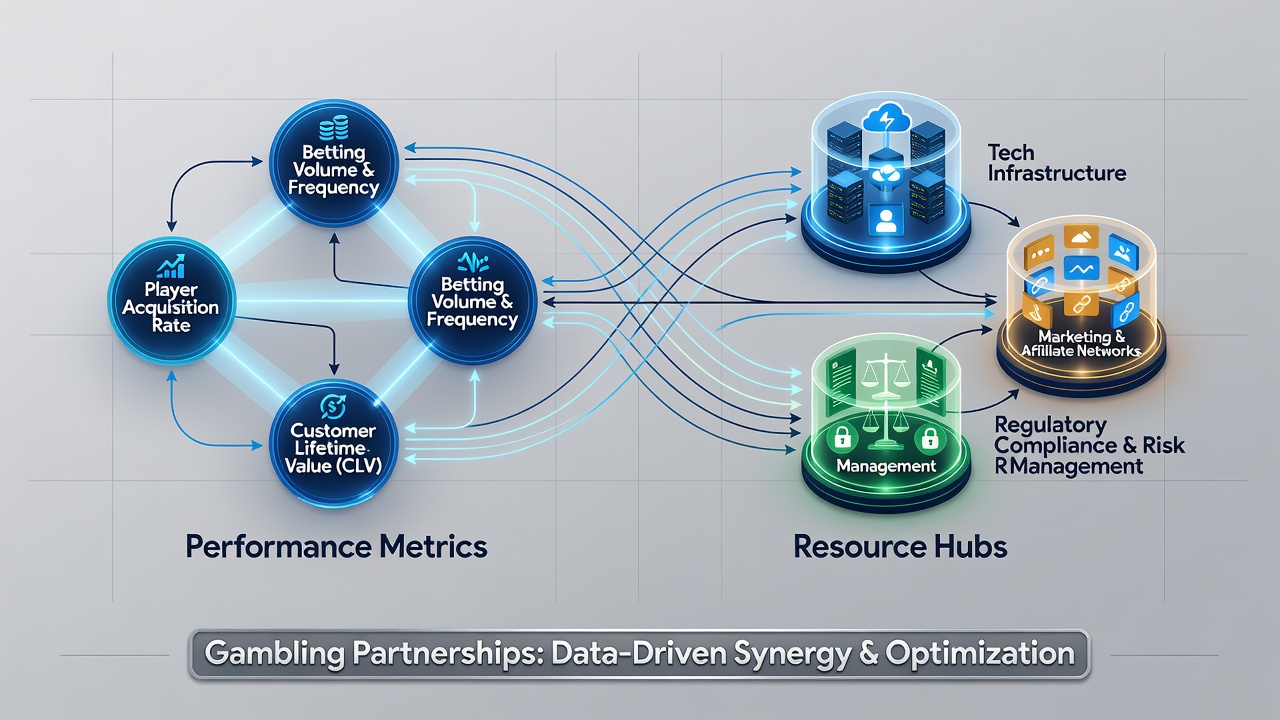
Regulatory Influences on Metric-Resource Integration
Regulatory frameworks in places like Malta and Australia shape how these systems operate by requiring transparent data handling and audit trails that verify metric accuracy before resources adjust accordingly. Partners must ensure compliance documentation within hubs reflects current licensing standards, which in turn affects the types of promotional materials approved for distribution. Evidence from industry reports indicates that programs aligning metric thresholds with regulatory reporting requirements experience fewer compliance issues, because the hub flags potential problems early through automated checks tied to performance indicators like player complaint volumes.
Geographic variations add complexity, since Canadian provincial rules emphasize different retention metrics than those prioritized in Australian states, forcing hubs to maintain region-specific modules that activate based on partner location data. This layered approach allows a single platform to serve multiple markets while tailoring resource delivery to local performance expectations and legal constraints.
Conclusion
The mapping between performance metrics and resource hubs establishes structured pathways that support sustained growth in gambling partnerships by ensuring tools and information reach partners precisely when their data indicates readiness. Continued refinement of these connections through expanded integrations and regional adaptations will determine how effectively programs scale across evolving markets in the coming years.