Refining Payout Monitoring Systems Through Affiliate Resource Networks in the Gambling Industry
Written by Drew Sullivan · May 31, 2026
Refining Payout Monitoring Systems Through Affiliate Resource Networks in the Gambling Industry
Resource hubs serve as centralized platforms where gambling affiliates access tools, documentation, and reporting interfaces designed to streamline commission tracking across multiple programs, and these systems integrate player data feeds with real-time payout calculators that reduce discrepancies in revenue reporting. Observers note that operators maintain these hubs to support partners handling high volumes of traffic from various regions, while data from industry reports shows affiliates who utilize structured hub interfaces achieve more consistent reconciliation of sub-affiliate contributions and bonus-related adjustments.
Core Functions of Resource Hubs in Commission Ecosystems
Hub architectures typically include API endpoints that pull performance metrics directly from operator databases, allowing affiliates to monitor tiered commission structures without manual data exports, and this setup connects historical campaign results with current player activity logs through automated matching protocols. Research from the European Gaming and Betting Association indicates that standardized tracking modules within these platforms cut reporting errors by connecting player registration timestamps to deposit events across multiple brands simultaneously. Affiliates often discover that filtering options for specific traffic sources help isolate commission-generating segments, whereas bulk export features support external accounting software integration for larger operations.
Integration with Emerging Regulatory Timelines
Industry participants prepare for scheduled policy adjustments expected across several jurisdictions in May 2026, when revised tax reporting requirements will demand more granular breakdowns of affiliate-generated revenue streams, and resource hubs already incorporate compliance templates aligned with these upcoming standards. Data compiled by the Nevada Gaming Control Board highlights how pre-configured export formats assist partners in meeting cross-border disclosure obligations without separate system overhauls. Those who've studied these transitions find that early adoption of hub-based tracking reduces reconciliation time during audit periods, while automated alerts flag potential mismatches between reported player volumes and commission calculations before submission deadlines arrive.
Practical Navigation Strategies for Affiliates
Users begin by authenticating through multi-factor protocols that link individual accounts to program-specific dashboards, then navigate layered menus separating player acquisition metrics from retention-based payouts, and this organization prevents confusion when handling hybrid revenue models that combine CPA and revenue-share elements. Take one researcher who examined hub usage patterns and discovered that tagging systems for custom traffic channels enable precise attribution even when players migrate between devices or promotional campaigns. External documentation libraries within the hubs contain updated fee schedules and bonus calculation rules, so partners reference these sections to verify commission rates against actual player behavior logs rather than relying on outdated spreadsheets.
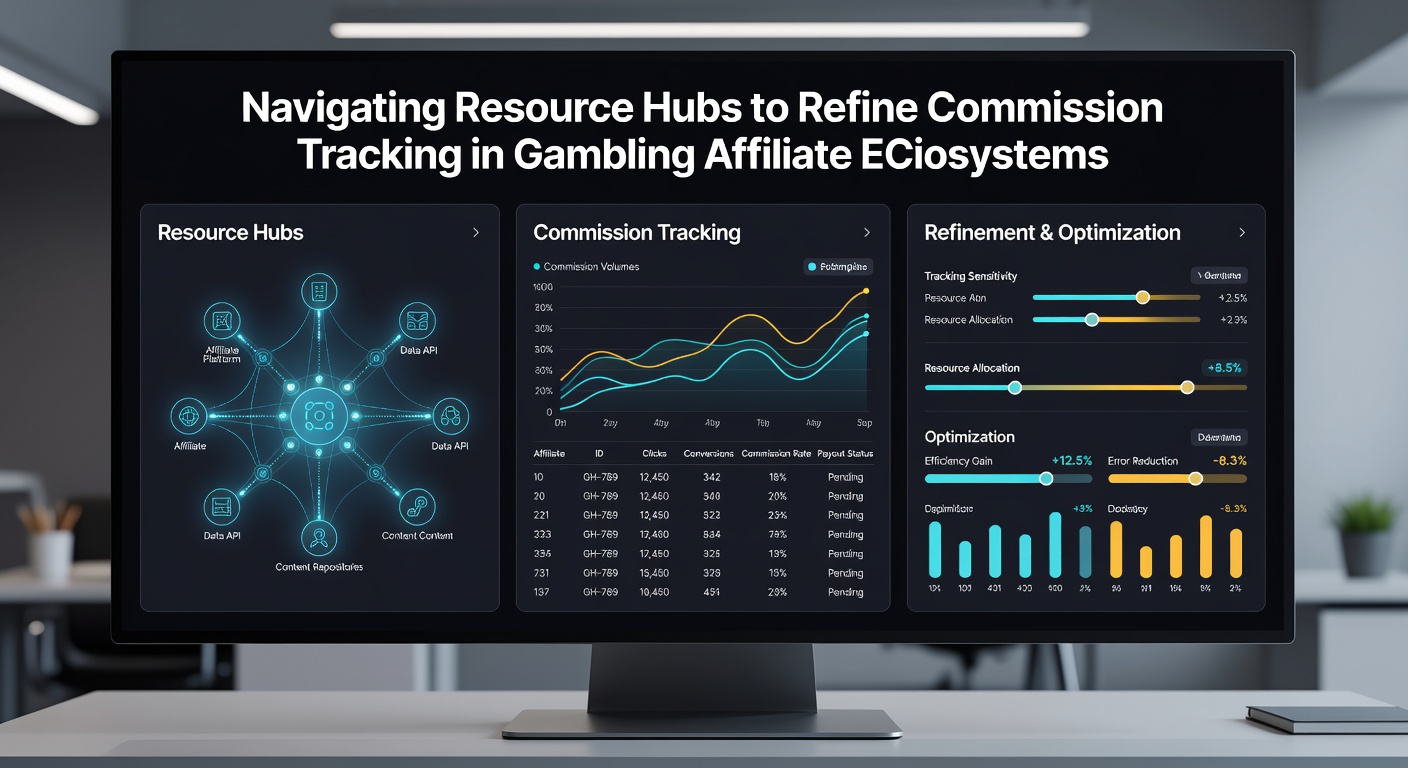
Advanced filters allow segmentation by geographic player pools or campaign duration, while comparison tools display side-by-side performance across different operators to highlight payout timing variations. Studies from the University of Nevada, Las Vegas Gaming Research Center reveal that affiliates who regularly export monthly summaries from these interfaces maintain clearer records during tax filing seasons, and this practice proves especially useful when sub-affiliate networks introduce additional layers of commission distribution.
Case Examples from Operational Environments
One documented implementation involved an affiliate network connecting its internal CRM to a major operator's resource hub through secure API keys, which resulted in automated daily commission snapshots replacing weekly manual reviews, and this change allowed quicker identification of delayed player verifications affecting payout totals. Another instance showed partners utilizing hub-provided sandbox environments to test new tracking parameters before deploying them live, reducing the risk of misattributed conversions during promotional pushes. Industry organizations such as the Canadian Gaming Association have published guidelines noting that consistent hub engagement correlates with fewer disputes over negative balance carryovers in revenue-share arrangements.
Future Developments in Hub Capabilities
Developers continue expanding hub functionalities to include predictive analytics modules that forecast commission fluctuations based on seasonal traffic patterns, while blockchain-based verification pilots aim to create immutable records of player transactions for dispute resolution. Those monitoring these advancements observe that integration with mobile-optimized interfaces supports on-the-go monitoring for affiliates managing multiple programs simultaneously. Figures from the Australian Communications and Media Authority demonstrate increasing adoption rates of such platforms among partners operating across Asia-Pacific markets, where regulatory fragmentation requires precise separation of commission streams by jurisdiction.
Conclusion
Resource hubs function as essential infrastructure for maintaining accuracy in gambling affiliate commission tracking, connecting raw performance data with structured reporting tools that adapt to evolving operational and regulatory demands. Affiliates who systematically explore these platforms gain access to features supporting real-time reconciliation and compliance preparation, while ongoing enhancements position these systems to handle increased data complexity through 2026 and beyond.