Resource Allocation Approaches Powering Commission Increases in Gambling Referral Systems
Written by David Schmid · Jul 3, 2026
Resource Allocation Approaches Powering Commission Increases in Gambling Referral Systems
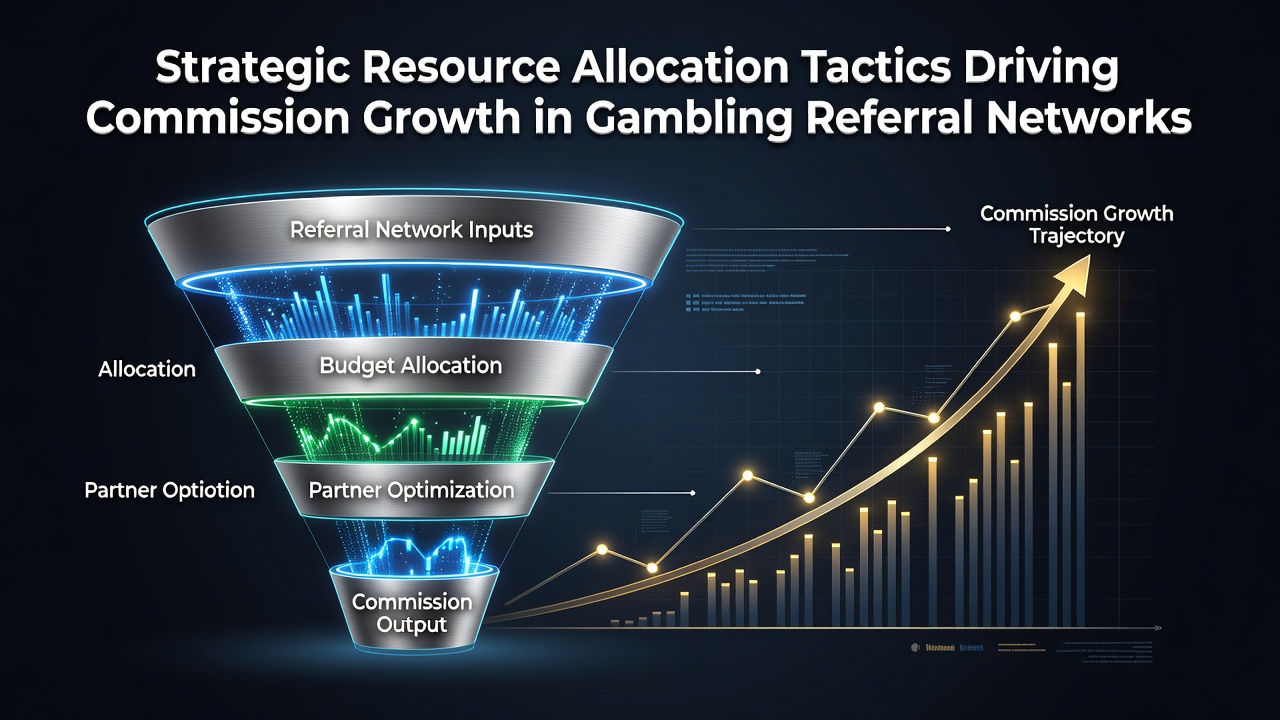
Resource allocation in gambling referral networks involves directing budgets, personnel, technology, and data tools toward activities that generate sustained commission revenue from player referrals. Networks operating across multiple jurisdictions apply systematic methods to distribute these assets, and data from industry reports indicate measurable impacts on earnings when allocation prioritizes high-performing channels over uniform spending.
Core Components of Effective Allocation
Operators first segment resources according to traffic source performance, where organic search, paid media, and email campaigns receive funding levels tied directly to conversion metrics rather than historical averages. Studies from the University of Nevada's International Gaming Institute show that networks reallocating 30 percent of budgets from underperforming paid placements to content optimization achieved higher lifetime player values within six months. Personnel assignments follow similar logic, with analytics specialists dedicated to real-time monitoring while creative teams focus on jurisdiction-specific compliance materials.
Technology investments receive priority when tools integrate player tracking across platforms, allowing referral managers to identify drop-off points and redirect spending toward retention sequences. This integration reduces wasted expenditure on low-engagement segments, and figures released by the American Gaming Association in 2025 documented average commission uplifts of 18 percent among networks that adopted unified dashboards.
Data-Driven Decision Frameworks
Allocation decisions rest on layered data models that combine acquisition costs, player retention curves, and regulatory compliance overhead. Referral networks maintain separate ledgers for each traffic vertical, enabling rapid shifts when one channel's return on investment declines. Observers note that teams reviewing performance data weekly rather than monthly maintain tighter control over commission trajectories, particularly during periods of regulatory change.
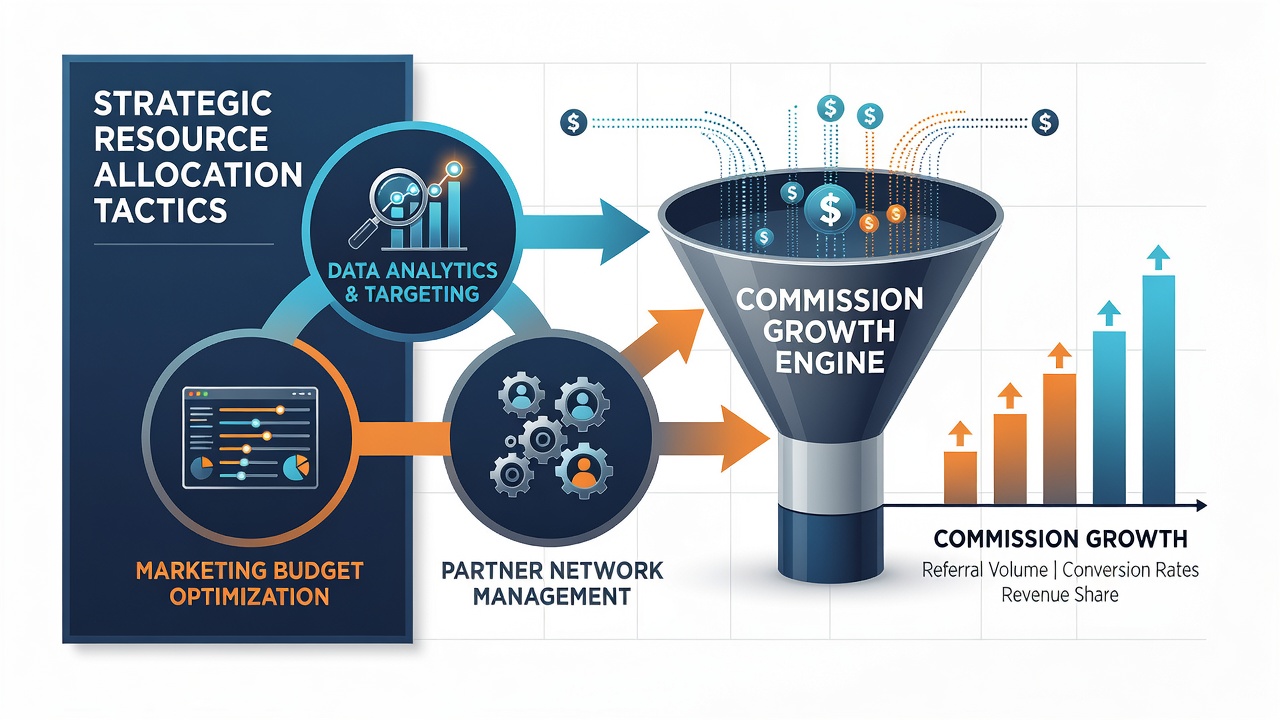
External benchmarks guide internal targets. Research published by the Australian Gambling Research Centre demonstrates that networks aligning resource splits with regional player demographics recorded steadier commission growth across fluctuating market conditions. Allocation software flags variance thresholds automatically, prompting reallocation before quarterly results reflect losses. This proactive stance replaces reactive budget cuts that often erode long-term network relationships with operators.
Technology and Compliance Balance
Referral networks allocate portions of resources to compliance infrastructure because regulatory requirements vary sharply between markets. Funds directed toward legal review and localized responsible gambling messaging protect commission streams from sudden restrictions. In July 2026, several networks updated their allocation models after new data-sharing protocols took effect in multiple European markets, shifting emphasis toward encrypted tracking systems that maintained reporting accuracy without inflating operational costs.
Training budgets form another distinct category. Staff members receive targeted instruction on evolving affiliate platform features and regional player behavior patterns, which keeps commission optimization efforts aligned with actual market conditions. Networks that maintained consistent training allocations through 2025 reported fewer compliance incidents and sustained referral volumes compared with those that reduced such spending.
Measuring Outcomes Across Networks
Commission growth metrics track both immediate referral payouts and longer-term player value contributions. Networks apply attribution models that credit resource investments across the full player journey, preventing over-allocation to front-end acquisition at the expense of retention support. Industry associations such as the European Gaming and Betting Association publish aggregated performance indicators that help individual networks calibrate their internal targets against broader sector results.
Case examples illustrate the pattern. One network redistributed its technology budget toward mobile-optimized landing pages in early 2025 and recorded a 22 percent rise in mobile-sourced commissions by year end, according to internal metrics shared at industry conferences. Another redirected personnel hours from general outreach to segmented email sequences, lifting reactivation rates among previously referred players without increasing total headcount.
Conclusion
Strategic resource allocation in gambling referral networks operates through continuous measurement and adjustment cycles. Budgets, staff time, and technology tools move toward channels and activities that deliver documented commission returns while satisfying regulatory standards across operating regions. Networks that maintain disciplined allocation processes sustain growth even as market conditions shift, and available industry data confirm the direct connection between targeted deployment and revenue expansion.