The Interplay Between Material Request Handling and Affiliate Performance in Gambling Markets
Written by Drew Sullivan · Aug 21, 2026
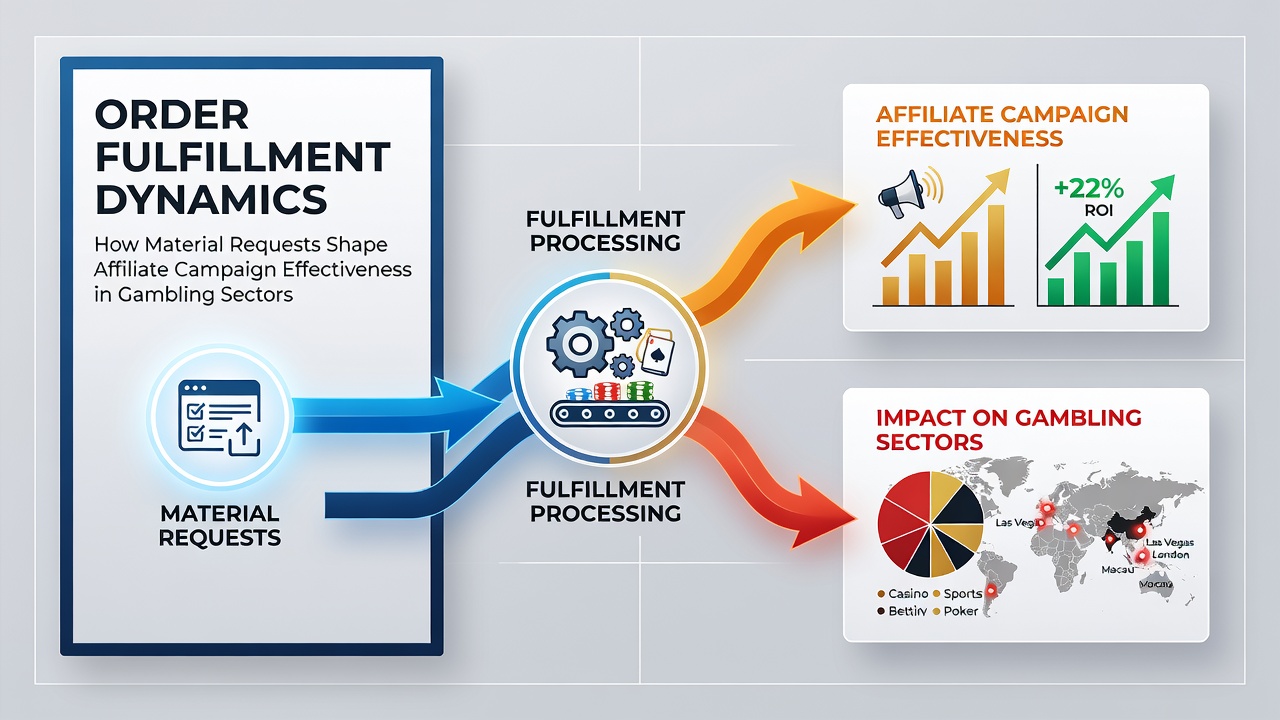
The Interplay Between Material Request Handling and Affiliate Performance in Gambling Markets
Order fulfillment dynamics in gambling sectors revolve around the speed and accuracy with which promotional materials reach affiliate partners, and these processes directly influence campaign outcomes across multiple jurisdictions. Affiliates rely on timely delivery of banners, landing pages, tracking links, and performance reports to maintain momentum in competitive markets, while delays in request processing often correlate with reduced conversion rates and lower player acquisition numbers.
Core Components of Material Request Systems
Gambling operators maintain dedicated portals where affiliates submit requests for creatives, data updates, and compliance-approved assets, and these systems typically integrate with customer relationship management tools to log submission dates alongside fulfillment timestamps. Research from the Nevada Gaming Control Board indicates that structured request categories, such as urgent banner swaps versus standard report pulls, allow operators to prioritize workloads and allocate resources more effectively during peak promotional periods.
Observers note that material requests often include specifications for regional compliance, player demographics, and device optimization, which adds layers to the fulfillment workflow. When requests involve custom content tailored to specific markets, processing times extend beyond standard benchmarks, yet operators that streamline approval chains achieve faster turnaround and sustain affiliate engagement levels.
Links Between Fulfillment Speed and Campaign Metrics
Data from industry reports show that affiliates receiving approved materials within 48 hours generate higher click-through volumes compared to those facing multi-day waits, because fresh creatives align with seasonal events and regulatory changes that affect player behavior. In August 2026, several operators adjusted their request protocols following updates in cross-border advertising rules, and those adjustments coincided with measurable lifts in affiliate-driven deposits across European and North American platforms.
Performance indicators tracked by affiliate networks reveal patterns where incomplete or delayed material deliveries coincide with drops in active player retention, since partners cannot refresh campaigns to match current offers or responsible gambling messaging. Those who study these metrics find that request volume spikes during major sporting events or product launches strain fulfillment teams, prompting operators to adopt automated routing systems that assign tasks based on complexity and urgency.

Regional Variations in Request Management Practices
Operators in different regions apply distinct approaches to material request handling, with North American platforms often emphasizing rapid compliance checks while Asia-Pacific networks focus on localization of language and payment options. The Alcohol and Gaming Commission of Ontario publishes guidelines that encourage clear communication channels between operators and affiliates, and these practices reduce errors in request interpretation that otherwise lead to rework and extended timelines.
Academic analyses from institutions such as the University of Nevada, Reno highlight how integrated ticketing systems improve visibility into request status, allowing affiliates to anticipate delivery windows and adjust bidding strategies accordingly. When fulfillment teams provide status updates at defined intervals, campaign planning becomes more predictable and resource allocation improves on both sides of the partnership.
Technology Integration and Process Optimization
Many gambling platforms now embed request management modules within existing affiliate dashboards, enabling real-time tracking and automated notifications when materials reach approval stages. These integrations connect with inventory databases that flag asset availability, reducing instances where requests reference outdated creatives or expired promotions. Studies conducted by the Canadian Gaming Association demonstrate that such connectivity lowers average fulfillment times by measurable margins and supports consistent campaign output across multiple traffic sources.
Request categorization also plays a role, as operators separate standard asset pulls from those requiring legal review or creative development, which allows parallel processing streams to operate without bottlenecks. Affiliates who submit detailed specifications upfront experience fewer clarification cycles, and this efficiency compounds across high-volume partners who manage several campaigns simultaneously.
Conclusion
Material request handling forms a foundational element of affiliate operations in gambling sectors, where processing speed and accuracy translate into sustained campaign performance and measurable acquisition results. Operators that refine these workflows through technology and clear protocols maintain stronger partner relationships, while data from regulatory and research bodies continues to underscore the direct connection between fulfillment dynamics and overall program effectiveness.